REVIEW · TRELAWNY
Make your own Bean to Bar Chocolate Factory Tour
Book on Viator →Operated by The Falmouth Chocolate Factory · Bookable on Viator
Chocolate can be a travel map.
This bean-to-bar tour in the Historic Port of Falmouth turns cocoa pods into edible bars, with you actively making chocolate steps along the way. I love the mix of hands-on craft plus real cocoa context, and I also like that it stays grounded in the island’s story, from Taino times to today. One thing to consider: it’s all vegan, and if you are strictly a classic milk-chocolate person, you’ll need to lean into the flavor shift.
You meet at 23 Harbour Ln in Falmouth and start at 9:00 am, with the experience running about 1 hour 30 minutes. The small group limit (12 people max) keeps it conversational, so you’ll actually get answers while you roast, mix, and temper.
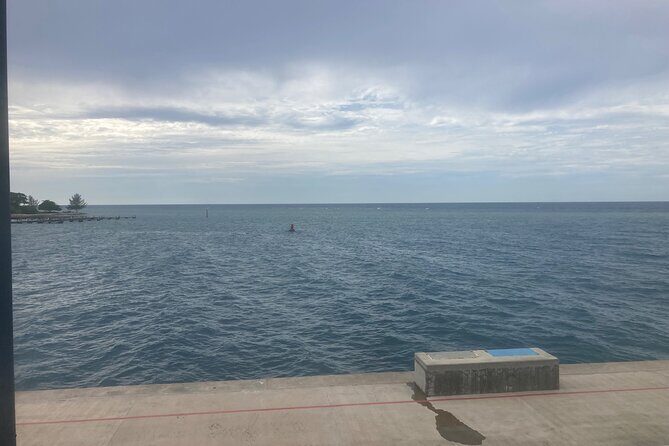
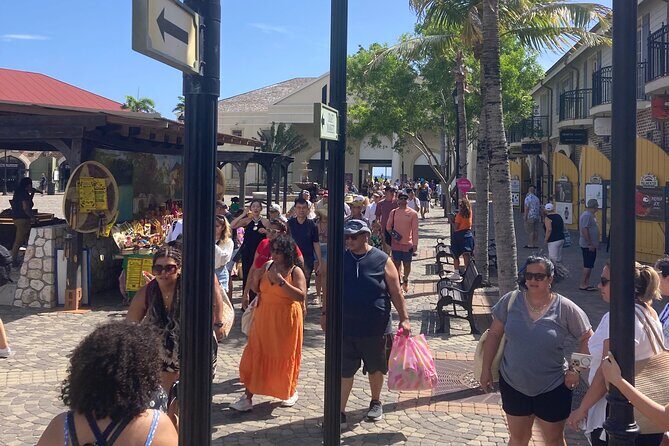
The setting adds a bonus: you’ll be on the edge of the Caribbean Sea in a port area that’s normally reachable mainly for cruise passengers. It feels like stepping into a behind-the-scenes corner of Jamaica, without the tour-bus chaos.
In This Review
- Key highlights you should look for
- Bean-to-bar in Falmouth: what makes this tour different
- Your “from pod to bar” timeline, step by step
- 1) Pods up close: start with the fruit, not the wrapper
- 2) Fermentation on the farm: where flavor gets built
- 3) Roasting: the moment the aroma starts speaking
- 4) Making your Jamaican spiced chocolate
- 5) Tempering: the craft you can repeat at home
- 6) Your custom inclusion bar: choose your extras
- Why the Caribbean Sea port setting matters (more than you’d think)
- Vegan chocolate, and how to think about the taste shift
- The guides, the pacing, and why small groups help
- Price and value: is $75 worth 1 hour 30 minutes?
- Where you meet and how the timing works
- What you should consider before you book
- Should you book The Falmouth Chocolate Factory tour?
- FAQ
- What time does the tour start?
- How long is the chocolate factory tour?
- How much does the tour cost?
- What is the group size limit?
- Is the chocolate vegan?
- What is the cancellation policy?
Key highlights you should look for
- Tree-to-bar walkthrough: pods, fermentation on the farm, nib processing, and the road to your finished bar
- Vegan spiced chocolate making: you create traditional Jamaican spiced chocolate with a twist
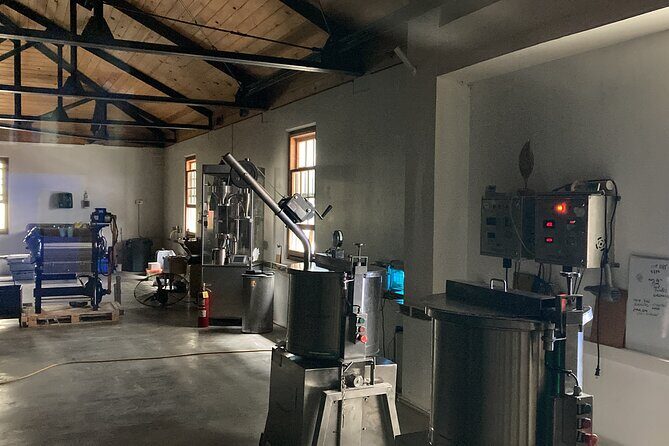
- Roasting in big industrial machines: you see and learn what changes the cocoa before tempering
- A practical hand-temper method: bowl, spatula, and a hair dryer at any kitchen table
- Custom inclusion bars: you build a personalized bar with add-ins you choose
- Small group pacing (max 12): more time with the process, less time waiting around
Bean-to-bar in Falmouth: what makes this tour different
A lot of chocolate tours show you machines and call it educational. This one works the other way. It treats chocolate like a craft you can understand with your hands, not just a product you observe. You’ll start from cocoa fruit and move forward in a logical sequence—pods to beans to nibs to roast to chocolate texture—so the final taste makes sense.
What I especially like is that it’s not only about how the bar gets made. The host team (Nick and Marta) frame the process inside Jamaica’s cocoa story. In the conversation, you’ll hear how cacao’s role evolved over time, including the island’s connection reaching back to the earliest indigenous Taino people and continuing into modern cocoa culture. That context makes the tasting feel less random and more personal.
Also, the vegan angle is handled directly. The tour is all vegan, and dark chocolate is vegan. If you’re a milk-chocolate fan, this experience is designed to be a revelation, but you still need to expect different flavor cues than what you’re used to.
You can also read our reviews of more drinking tours in Trelawny
Your “from pod to bar” timeline, step by step
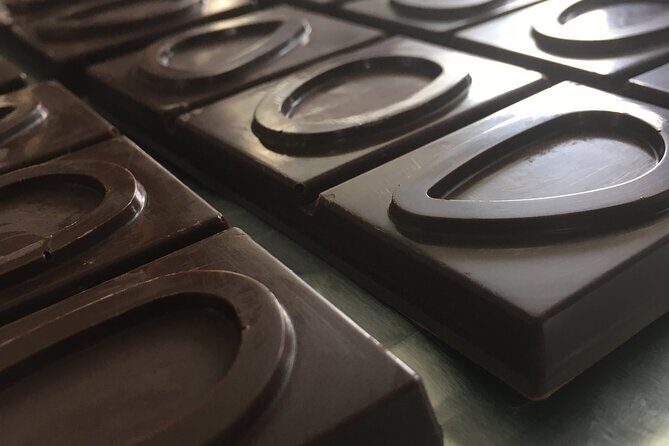
The best way to judge this tour is to think of it as a sequence of small lessons. Each step has a payoff, and you’re not just watching.
1) Pods up close: start with the fruit, not the wrapper
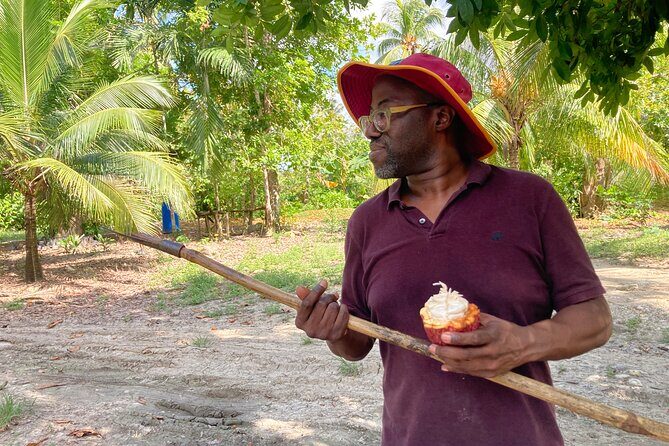
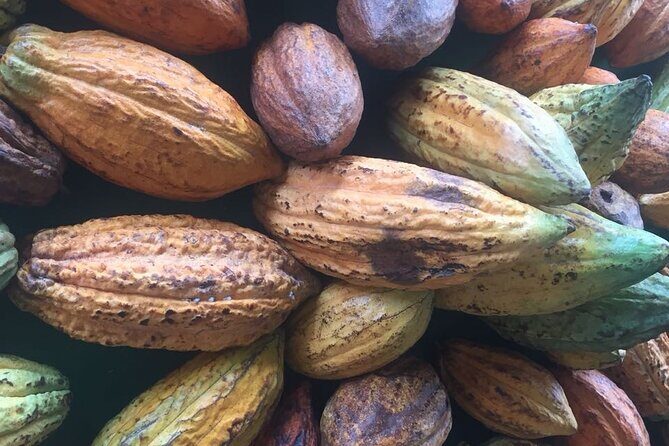
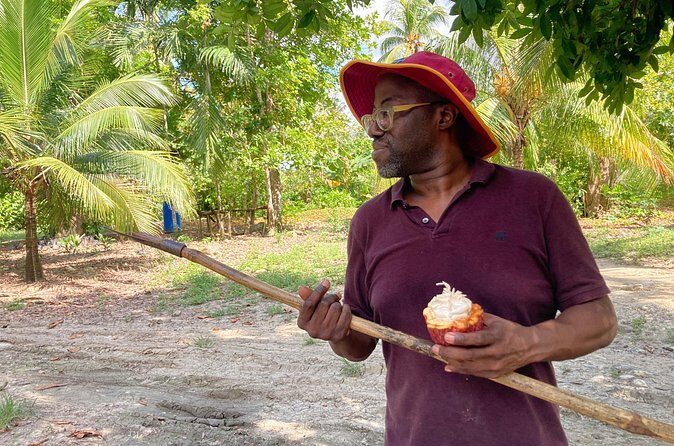
You don’t begin with chocolate on a display. You get introduced to the pods up close and look inside the fruit. That matters because the pod is where the story becomes physical: the beans are embedded in the fruit, and you can see how nature sets the starting point before any machine touches it.
If you like learning by seeing textures and shapes, this early stage clicks fast. You’ll walk away with a clearer mental picture of what cacao is before it becomes a bar on a shelf.
2) Fermentation on the farm: where flavor gets built
Next, the tour explains how the beans are fermented on the farm and how the nibs are processed before bars are unveiled. Fermentation is one of those topics people toss around, but here it’s tied to what you’ll later taste. It helps you understand why cocoa can vary so much even when the “chocolate” label looks identical.
The value for you: once you know the role of fermentation and processing, you’ll be less fooled by marketing words and more able to spot real flavor differences later.
3) Roasting: the moment the aroma starts speaking
You then roast cocoa in big industrial machines. This is more than a demo. Seeing roast in the kind of equipment that production uses helps you connect home ideas with real-world processing.
Roasting is also where the mood shifts. Cocoa smells become obvious, and the chocolate story stops feeling abstract. If you’ve ever wondered why chocolate can smell like toast, fruit, or earth, roasting is where you begin to get the clues.




4) Making your Jamaican spiced chocolate
After the earlier process talk, you move into a more hands-on, sensory part of the tour: making traditional Jamaican spiced chocolate, but with a twist. The exact twist isn’t spelled out in the details you provided, so I’d treat this as an opportunity to taste your way through the flavors rather than trying to decode it ahead of time.
This section is great if you want more than craft technique. You’ll be creating something you can bring home and that fits Jamaican flavor traditions without being a copy-paste of generic spice profiles.
5) Tempering: the craft you can repeat at home
Then comes one of the most practical parts: learning how to hand temper chocolate at any kitchen table using just a bowl, a spatula, and a hair dryer. Tempering is the step most people skip because it sounds technical. Here, it’s taught in a way that makes it feel doable.
For you, this is the difference between buying chocolate and actually making it. If you ever want to impress someone at home with glossy chocolate that snaps cleanly, this is where you pick up the method.
6) Your custom inclusion bar: choose your extras
Finally, you create your own custom inclusion chocolate bars. That means you don’t end with a single sealed product and a souvenir bag. You design the bar with inclusions, then you leave with something more like a finished personal project.
This is also a smart way to remember the tour. Your bar becomes a record of flavors you liked during the process, not just a memory of facts you heard.
Why the Caribbean Sea port setting matters (more than you’d think)

Tours inside factories can feel like fluorescent rooms. Here, you’re in the Historic Port of Falmouth area, and you’re on the edge of the Caribbean Sea. That backdrop changes the whole experience: you’re not trapped indoors, and the tour feels tied to the real geography of the place where cocoa culture meets trade routes.
Also, the port area is normally accessible only to cruise ship passengers, which means you get an unusual angle on daily movement in the region. It’s a subtle perk, but it adds to the “this isn’t a generic workshop” feeling.
One practical note: port days can mean heat, sun, and wind shifts. Even if you’re not told to bring anything special, I’d still show up prepared for outdoor conditions before you get inside.
Vegan chocolate, and how to think about the taste shift
This tour is all vegan. Dark chocolate is vegan, and the experience is framed as a revelation for milk chocolate fans. That tells you the goal isn’t to label the tour as vegan as a gimmick; it’s to deliver flavor without dairy.
So how should you approach it?
- Expect a deeper cocoa profile first, with sweetness handled differently than typical milk chocolate.
- Treat spice as a bridge. The Jamaican spiced chocolate you make should help smooth the transition if you’re used to creamy bars.
- Keep an open mind about texture. Tempering training is still relevant, even if your starting point is vegan chocolate.
If you hate dark chocolate, you might struggle. If you can enjoy cocoa depth—even slightly less sweet than you’re used to—this tour will make sense quickly.
The guides, the pacing, and why small groups help
The tour runs with a maximum of 12 travelers, and that’s not a throwaway detail. When a workshop is that size, the host can slow down at the right moments and speed up when you’re ready to move on. You’re not waiting your turn to stir something or asking questions through a crowd.
Nick and Marta are the names tied to the best parts of the experience. In particular, they focus on linking cacao history to what happens today. One review highlights the cocoa history taught from the earliest indigenous Taino people to the present day, and that’s the vibe you should expect: grounded, story-driven, and connected to the ingredients you’re handling.
And yes, timing can be a factor when cruise schedules collide with island time. One review mentioned the host accommodating someone who arrived an hour early due to ship time. The real takeaway for you: if you show up early, don’t assume you’ve messed up. Just communicate and settle in.
Price and value: is $75 worth 1 hour 30 minutes?
At $75 per person for about 1 hour 30 minutes, this isn’t a bargain-bin workshop. But it can be good value because you’re not only observing. You’re learning, tasting along the way, and making multiple chocolate items, including a custom inclusion bar and spiced chocolate.
Here’s how I’d think about value:
- You pay for technique, not just chocolate samples. Hand-tempering with a hair dryer and a kitchen setup is the kind of skill you can use again.
- You pay for personalization. Custom inclusion bars mean you leave with a product that matches your preferences.
- You pay for context. The historical framing makes the tasting feel intentional, not random.
If your priority is quantity (lots of free chocolate and long lounging), you might prefer a larger tour that runs longer. If your priority is learning how chocolate actually becomes chocolate—and getting home with a meaningful skill—this price starts to look fair.
Where you meet and how the timing works
You’ll meet at 23 Harbour Ln, Falmouth, Jamaica, and the tour starts at 9:00 am. It ends back at the meeting point. It’s also a mobile ticket experience, and you should receive confirmation at booking.
It’s near public transportation, which matters if you’re not renting a car. Also, because it’s in a port area, plan to arrive with a little buffer so you can transition from outside to the workshop without stress.
What you should consider before you book
This tour is best for:
- People who enjoy hands-on food experiences
- Chocolate lovers who want process, not just product
- Anyone who wants practical tempering advice you can repeat at home
- Vegan travelers who want dark chocolate experiences without dairy expectations
- Travelers who like historical context tied directly to ingredients
It might be less ideal if:
- You only like very sweet, creamy milk chocolate and dislike dark cocoa flavors
- You need a long seated class. This is relatively compact at about 1.5 hours, so it moves at workshop speed.
- You want a large group party vibe. This stays intentionally small.
Should you book The Falmouth Chocolate Factory tour?
I think you should book if you want more than a tasting room. The standout value is the blend of storytelling plus hands-on craft: you learn the cocoa journey from pods to nib processing and fermentation, then you roast, make spiced chocolate, hand-temper using a simple method, and finish by building your own inclusion bar.
If vegan chocolate excites you, this is a great fit. If you’re only loyal to milk chocolate, treat this as a chance to shift your palate rather than expecting identical flavors.
FAQ
What time does the tour start?
The experience starts at 9:00 am.
How long is the chocolate factory tour?
It runs for about 1 hour 30 minutes.
How much does the tour cost?
The price is $75.00 per person.
What is the group size limit?
The tour has a maximum of 12 travelers.
Is the chocolate vegan?
Yes. The experience is all vegan, and dark chocolate is vegan.
What is the cancellation policy?
You can cancel for a full refund up to 24 hours before the experience’s start time. If you cancel less than 24 hours before, the amount paid is not refunded.