REVIEW · FALMOUTH JAMAICA
Croydon in the Mountains – Eco Farm Tour with Lunch
Book on GetYourGuide →Operated by Croydon In the Mountains · Bookable on GetYourGuide
Birds, fruit, and plantation views beat the beach. Croydon in the Mountains is an eco farm tour in the Catadupa area that mixes organic farming lessons with an easy walking route through rainforest-style grounds. I especially like the farm-to-table lunch made from what’s grown on site, plus the chance to sample seasonal fruit and even taste the farm’s coffee.
One thing to consider: the tour runs rain or shine, and pickup details matter. If you’re coming from a smaller hotel or your schedule is tight, double-check your pickup timing so you don’t end up waiting around.
In This Review
- Key Things to Know Before You Go
- Croydon in the Mountains: what this eco-farm experience really offers
- The 10:00 am start: Samuel Sharpe and your quarter-mile walk
- Fruits, pineapples, coffee, and honey: how the farm turns learning into tasting
- The hummingbird sanctuary and peacocks: a close-up nature break
- 12:30 pm farm-to-table lunch: what’s on the menu and why it’s satisfying
- Hotel pickup, 4 hours, and how to plan your day without stress
- Price and value: is $113 a fair deal for what you get?
- Service levels: guides, communication, and a key tip for smooth pickup
- Who this tour is perfect for
- Should you book Croydon in the Mountains?
- FAQ
- What time does the tour start, and how long is it?
- Where is Croydon in the Mountains located?
- What’s included in the tour price?
- Is lunch drinks included?
- What should I bring, and what isn’t allowed?
- Does it run in bad weather and what days is it operating?
Key Things to Know Before You Go
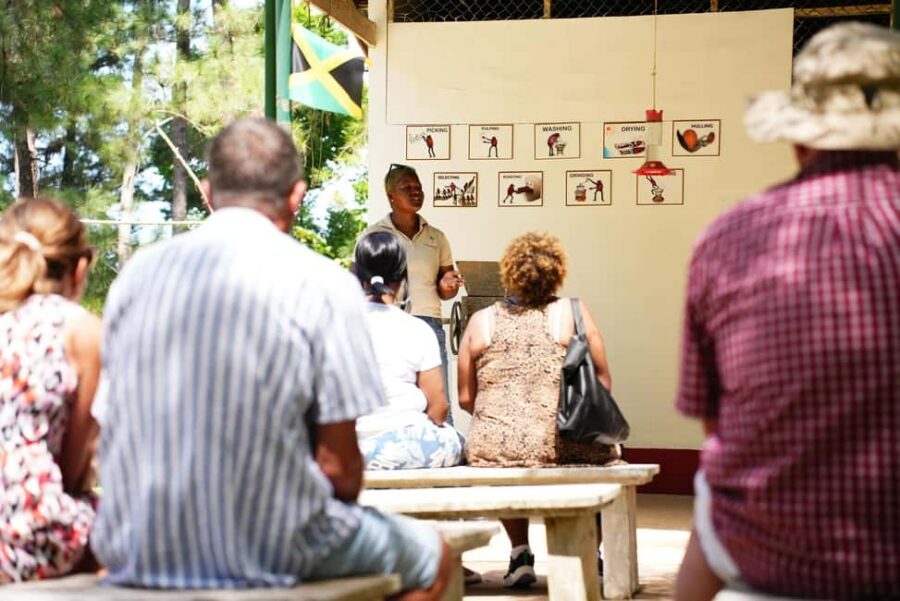
- Samuel Sharpe’s birthplace stop: Learn about the abolitionist linked to the plantation, starting your tour with real historical context.
- A guided quarter-mile walk with planned stops: You’ll get fruit, farming, and views without doing a long hike.
- Tastes you can connect to the plants: You’ll sample seasonal fruits (including pineapple varieties) and also taste coffee.
- Bird sanctuary time: Expect close-up viewing of hummingbirds, plus peacocks on the property.
- Lunch built around Jamaican comfort food: Jerk chicken, rice and peas, callaloo, cucumbers, and fried ripe plantains are part of the package.
Croydon in the Mountains: what this eco-farm experience really offers
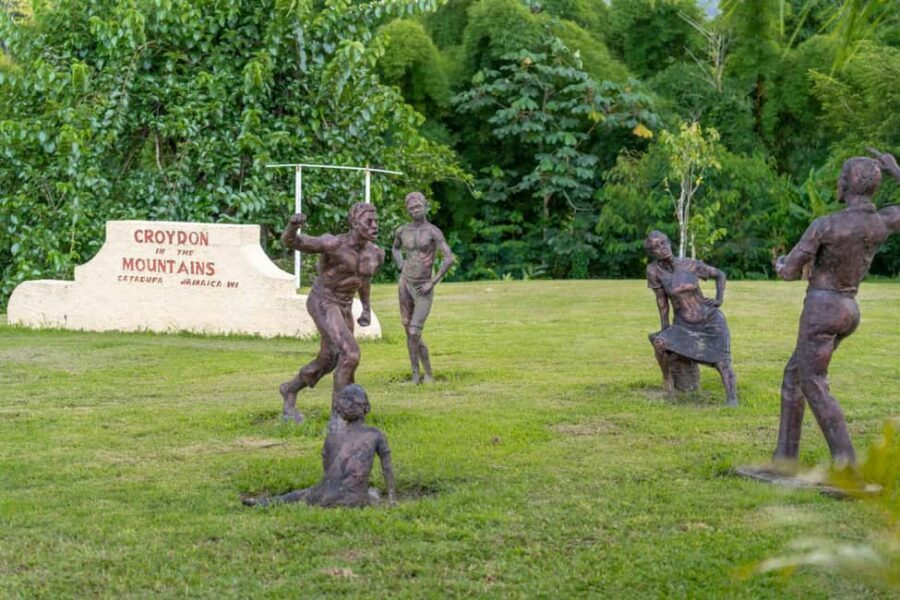
Croydon in the Mountains sits in the Catadupa region near Montego Bay (St James). It’s set up as a family-friendly organic farm tour with a sustainability focus, so the vibe isn’t just sightseeing. You’re walking through a working plantation and learning what’s grown, how it’s grown, and why the farm cares about conservation and reducing negative environmental impact.
What makes it feel different from a typical plantation tour is the mix of plant-focused learning and practical, sensory experiences. You’re not only looking at trees and flowers. You’re hearing stories, tasting fruit, sampling coffee, and learning about honey and beekeeping. Even if you’re not a “farm person,” that hands-on element helps everything click.
And yes, the scenery is a big deal here. You’ll be taking in stunning views of the Catadupa Mountain Range and lush green surroundings from the plantation grounds. It’s the kind of setting that makes a short walk feel worthwhile.
A few more Falmouth Jamaica tours and experiences worth a look

The 10:00 am start: Samuel Sharpe and your quarter-mile walk
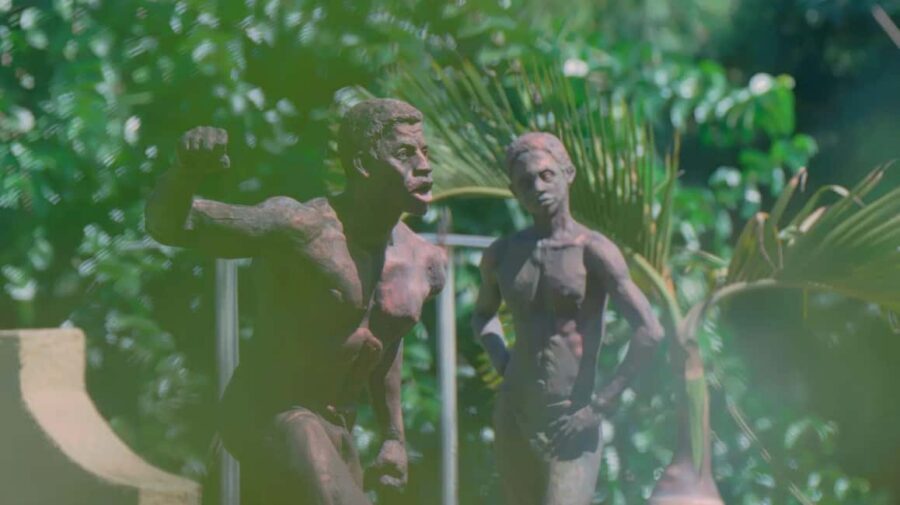
The tour kicks off at 10:00 am with a guided look at the Croydon Plantation and its connection to Samuel Sharpe, a national hero of Jamaica. Starting here matters because it frames the day beyond produce and birds. It gives you a human story tied to the property before you start moving through the fields.
Then you’ll head into a leisurely walk—about a quarter-mile—through the plantation. The route is structured with three refreshing stops along the way, which is a smart choice for a 4-hour experience. It keeps you from feeling rushed and also gives you natural “checkpoints” where your guide can pause for explanations and tastings.
During this part of the tour, you’ll get introduced to the farm’s fruit and plant variety. You’ll hear about what grows there, how seasons affect what’s ripe, and how the farm organizes its cultivation. It’s not presented like a lecture. It’s more like guided wandering with clear points of interest.
Practical note: wear comfortable shoes. The walking is described as leisure, but you’ll still want grip and support for uneven ground.
Fruits, pineapples, coffee, and honey: how the farm turns learning into tasting
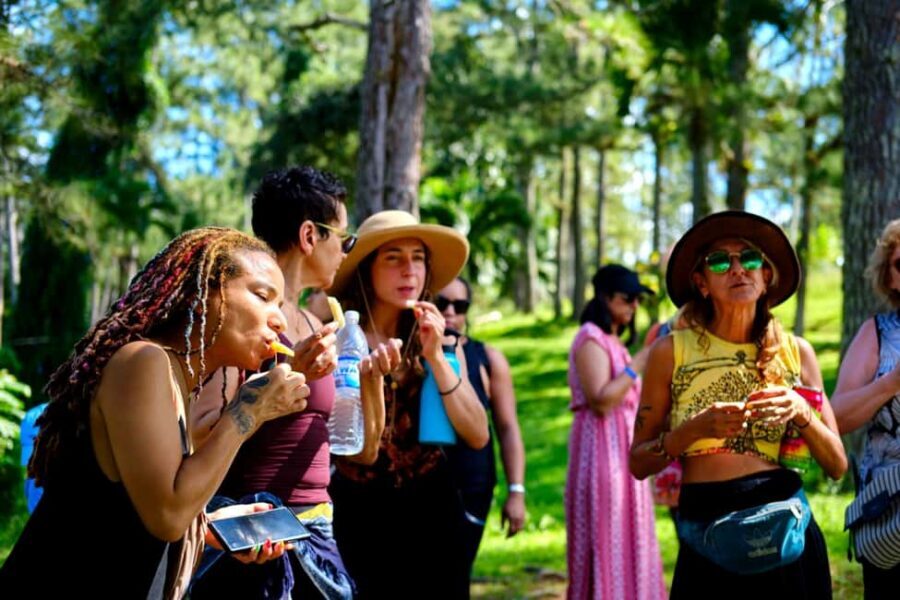
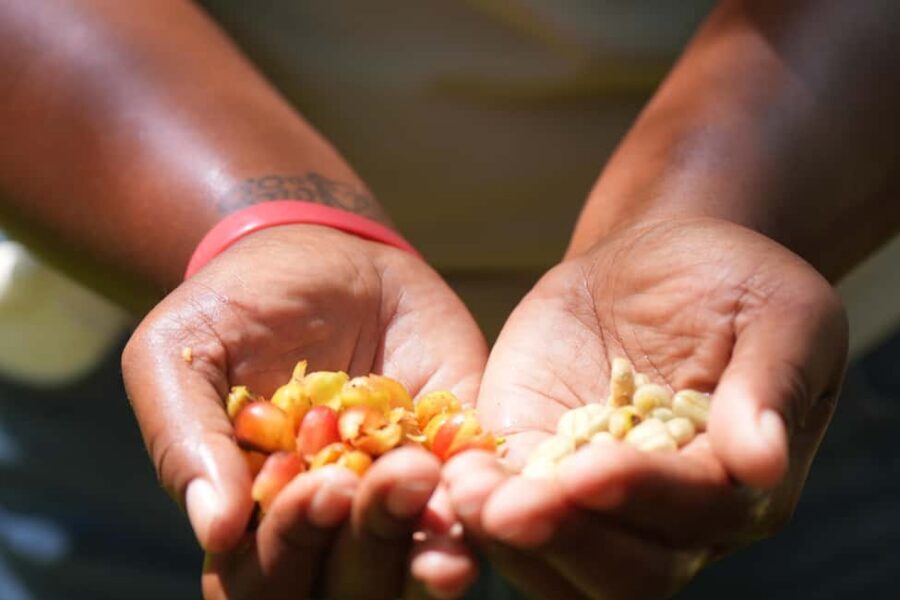
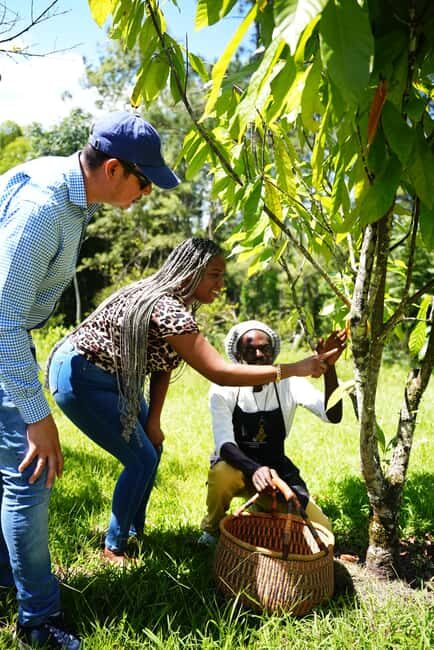
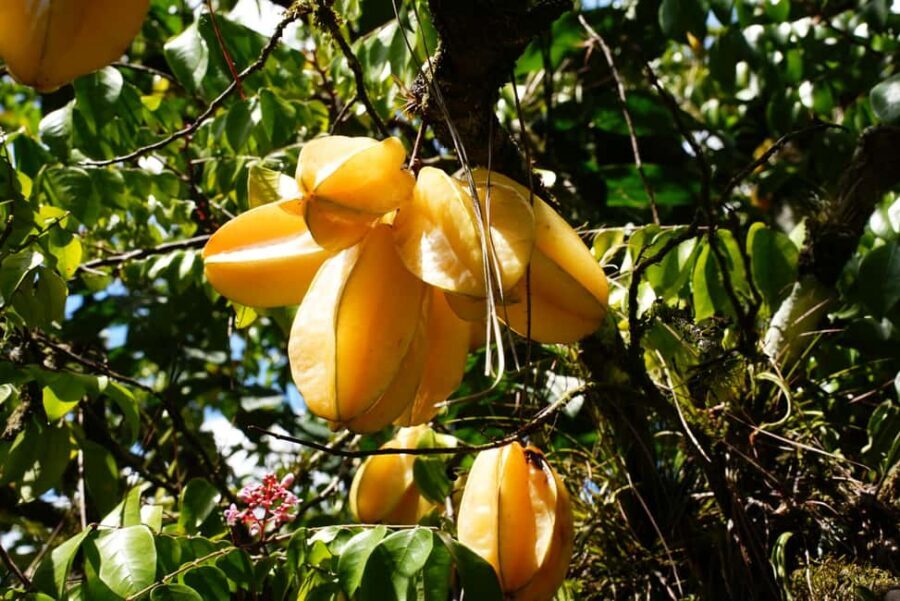
One of the best ways to understand a plantation is to connect names to flavors. Croydon leans into that. You’ll learn about exotic fruits like lychee and jackfruit, plus other plants grown on the property. The guide also talks about a collection of tropical heliconias (over twenty varieties) and the African peach, which helps you see the farm as more than a single-crop operation.
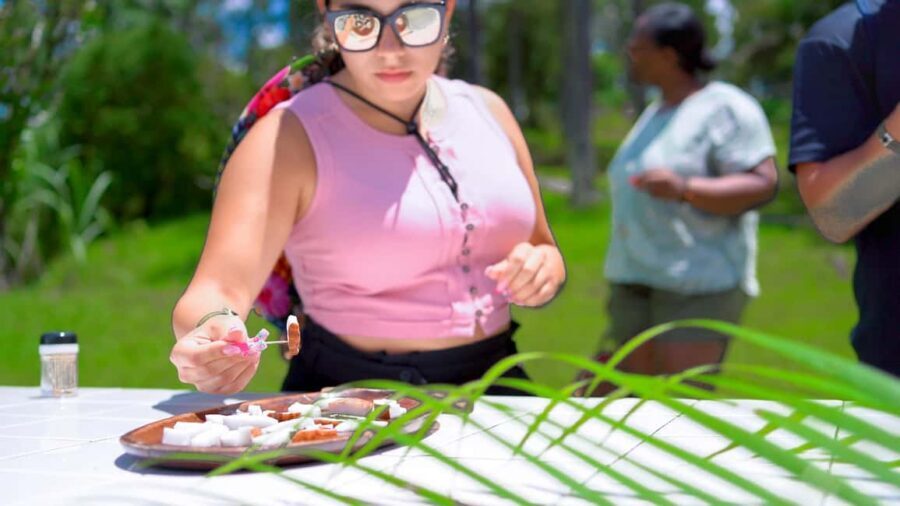
Pineapple lovers have a lot to look forward to. The farm grows 16 variations of pineapples, and you’ll get the chance to taste different kinds depending on what’s in season. In addition to pineapple, you’ll indulge in several seasonal fruits—typically around 5 to 7—so you’re not stuck with only one flavor theme.
Here’s why that matters for value: tastings make the tour feel like more than photos and explanations. Even if you’ve never heard of jackfruit or heliconias before, you’ll leave with specific memories you can name.
After fruit time, the tour shifts to two crops that are central to Jamaica’s farming identity:
- Coffee cultivation: You’ll learn how coffee is grown on the property and taste the coffee for yourself.
- Honey and bees: You’ll hear about bee production and get insight into how bees operate and why they matter on a farm.
This section is a good reminder that “eco” isn’t a marketing word here. It’s tied to the farm’s day-to-day practices—how pollinators support plant life, how cultivation choices affect sustainability, and how the farm’s products come from living systems rather than quick extract-and-go production.
The hummingbird sanctuary and peacocks: a close-up nature break
The bird sanctuary portion is built for payoff. You’ll get up close with hummingbirds, and peacocks are part of the scene too. If you love wildlife, this is the moment where the tour becomes more than educational.
Why hummingbirds work so well on tours like this: they create movement and surprise. Instead of standing still for a view, you’re scanning, watching for action, and letting the space do the entertaining. The sanctuary setting also makes it easier to enjoy birds without needing specialist knowledge.
Even if you’re more into plants than animals, this stop provides a change of pace from fruit, coffee, and beekeeping. It’s a gentle reset, and it’s timed so the day still feels structured.
Tip: bring your camera and keep it ready. Lighting under plantation trees can vary, so quick shots beat perfect framing.
12:30 pm farm-to-table lunch: what’s on the menu and why it’s satisfying
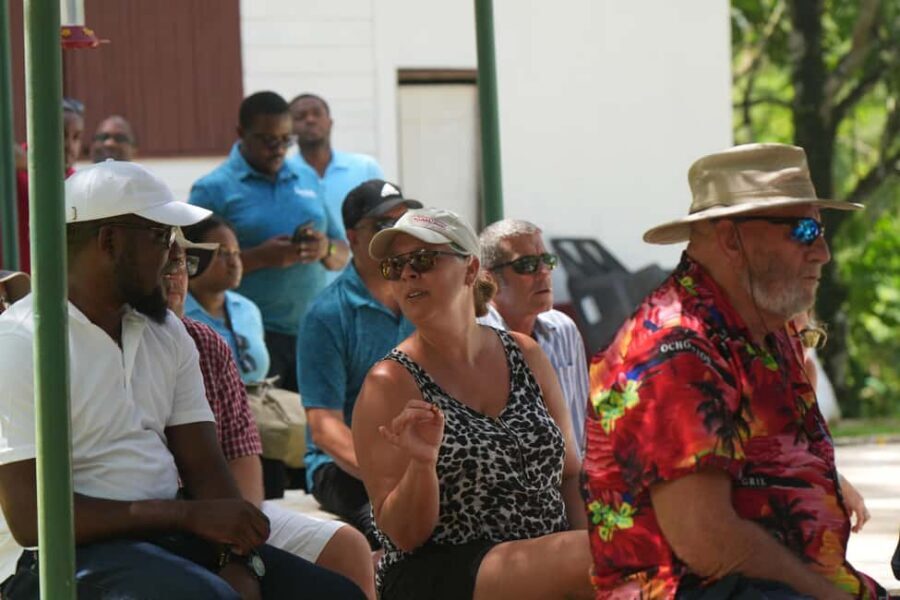
Lunch happens at 12:30 pm at the Pavilion. This is where the tour delivers on its farm-to-table promise in a very practical way: you’re not just learning about agriculture, you’re eating food that reflects it.
The lunch includes:
- Jerk chicken
- Rice and peas
- Callaloo
- Sliced cucumbers
- Fried ripe plantains
That lineup is a real Jamaican comfort-food meal. Jerk chicken brings heat and smoky spice, rice and peas add grounding flavor, and callaloo gives you that earthy, greens-based richness. The cucumbers help balance the meal, and fried ripe plantain adds a sweet-savory note that works with jerk spices.
Two value notes:
- You get lunch included in the tour price, so you’re not hunting for food after a sweaty walk.
- The menu is fixed for the experience, which usually means less waiting and fewer surprises.
One item to plan around: drinks are not included. So if you expect soft drinks, juice, or alcohol with lunch, factor that into your spending.



Hotel pickup, 4 hours, and how to plan your day without stress
This tour includes hotel pickup and drop-off. You’ll be asked to wait in the hotel lobby about 10 minutes before your scheduled pickup. The driver will hold a sign with the company name, and they’ll wait no more than 5 minutes after the scheduled pickup time.
That matters because a tour like this runs on a tight internal clock: 10:00 am start, then lunch at 12:30 pm, then ending around 1:30 pm with transport back. You’ll have a full morning-to-early-afternoon window, and the structure helps keep the whole thing at the stated 4-hour duration.
Schedule: the tour operates Tuesdays and Fridays at present. It can also run for groups on any day between Monday and Friday. If your trip dates don’t align, that’s the first thing to check.
Rain or shine: the tour takes place in wet weather too. That’s normal for a rainforest-style plantation, but it does change the feel of the ground and trails. If you tend to get chilled, bring light outdoor clothing you can layer. And again, stick with comfortable shoes.
Language: the guide provides live interpretation in English.
Price and value: is $113 a fair deal for what you get?
At $113 per person, this isn’t the cheapest thing on the Montego Bay side. But it also isn’t a bare-bones tour. The price is pulling its weight across several included pieces:
- Hotel pickup and drop-off
- A guided plantation visit
- Fruit tasting (including pineapple variety tastings depending on season)
- Coffee tasting tied to the farm’s cultivation
- Honey/bee learning and related farm education
- Lunch with multiple Jamaican dishes
So you’re paying for time, transportation, a full guided experience, and a proper meal. It’s also designed to be repeatable for families: you get both learning and enjoyment in one block, with stops that don’t require extreme stamina.
The main thing to watch is what isn’t included: drinks. If you’re the type who plans on spending extra at lunch, your real cost will creep upward. If you keep that in mind, the package can feel like a straightforward value.
Service levels: guides, communication, and a key tip for smooth pickup
The tour is guided by staff who bring their own unique flair and keep things engaging, and one guide named Alicia has been singled out as a standout. That’s a good sign, because on a plantation tour your guide is the difference between a slow walk and a memorable one.
At the same time, you should treat pickup communication as important. If you’re waiting for a sign in a lobby, you don’t want vague timing. If your accommodations are small or your check-in desk has quirks, confirm your pickup details early and keep your phone charged. The experience is worth it, but the day goes smoother when you’re proactive.
Who this tour is perfect for
This is a strong match if you want outdoor education with a cultural angle, not just scenic photos. It fits well for:
- Families who want a 4-hour, structured plan
- People who enjoy learning about organic farming and sustainability
- Nature lovers who like birds and plant variety
- Travelers who want a taste of Jamaican food in a farm setting
- Anyone interested in Samuel Sharpe’s story through a real-world location tie-in
If you’re looking for a long, strenuous hike or a purely beach-and-cocktail day, this likely isn’t your best fit. It’s more about calm walking, tastings, and learning.
Should you book Croydon in the Mountains?
You should book if you want an active morning that still feels relaxed: fruit tastings, coffee, honey/bEEs, hummingbirds, and a filling Jamaican lunch—all wrapped into one guided half-day.
Skip or reconsider if you’re extremely sensitive about timing and communication. The tour depends on pickup coordination, and you’ll want to be ready at the lobby on time. Also remember it runs rain or shine, so pack for that reality.
FAQ
What time does the tour start, and how long is it?
It starts at 10:00 am and lasts about 4 hours. Lunch is at 12:30 pm, and the tour ends around 1:30 pm with transport back to your hotel.
Where is Croydon in the Mountains located?
It’s in Catadupa, Montego Bay, St James, on the Croydon Plantation.
What’s included in the tour price?
You get hotel pickup and drop-off, a guided tour, fruit tasting, and a buffet-style farm-to-table lunch.
Is lunch drinks included?
No. Drinks are not included.
What should I bring, and what isn’t allowed?
Bring comfortable shoes, sunscreen, insect repellent, outdoor clothing, a camera, and cash/credit card. High-heeled shoes and outside food are not allowed.
Does it run in bad weather and what days is it operating?
The tour runs rain or shine. It operates on Tuesdays and Fridays at present, and for groups it can operate on other days between Monday and Friday.