REVIEW · NEGRIL
Scenic & Historical Nature Boat Safari Up the Negril River
Book on Viator →Operated by Captain Jace Allen Glass Bottom Boat Tours Negril · Bookable on Viator
The river does the talking for you. I love how this glass-bottom boat lets you pick out fish and other sea life, then carry that curiosity into the mangroves of the Royal Palm Reserve. I also like that the guides tie the sights to Negril history, so you’re not just passing scenery—you’re getting context as you float.
One thing to plan around: this is a weather-dependent outing, and the total time on the water is only about 2 hours, so it’s more “relax and explore” than “all-day adventure.”
In This Review
- Key Highlights
- Negril’s Great Morass: A Wetland Safari With Real Context
- Getting on the Water: Pickup, Timing, and What the 2 Hours Feel Like
- Entering the Royal Palm Reserve: Mangroves, Sheltered Water, and That Cautious Quiet
- What You Can See From a Glass-Bottom Boat (and How to Improve Your Chances)
- The History Layer: How Guides Make the River Mean Something
- Reef Snorkelling? Confirm Before You Go
- Who This Boat Safari Is Best For (and Who Might Skip It)
- Price and Value: Is $65 Worth It?
- Practical Tips So You Get More From the River
- Should You Book This Negril River Safari?
- FAQ
- What is the duration of the Negril River boat safari?
- How much does the tour cost?
- What times does the boat safari run?
- Is pickup available, and where?
- What is included in the tour?
- What is the cancellation policy?
Key Highlights
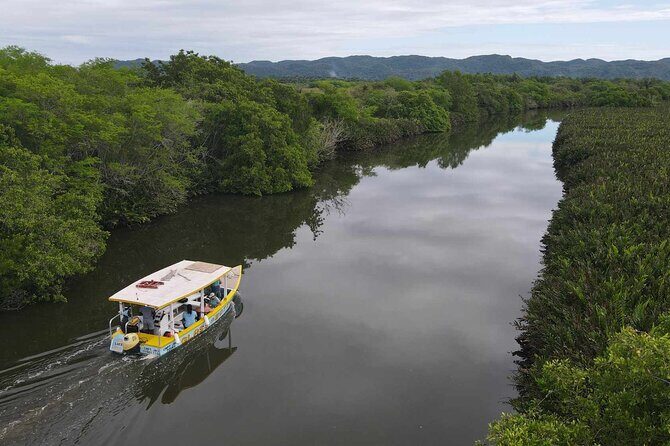
- Great Morass + Royal Palm Reserve: a protected wetland zone right off Negril
- Glass-bottom viewing: good chances to spot marine life close to the waterline
- Wildlife focus: mangroves, birds, and possibilities like crocodiles, turtles, and manatees
- Negril history stories: local guidance that makes the river feel meaningful
- Small group vibe: maximum 25 travelers, which helps keep it calmer
- Two daily departure windows: morning and late afternoon slots from Seven Mile Beach
Negril’s Great Morass: A Wetland Safari With Real Context
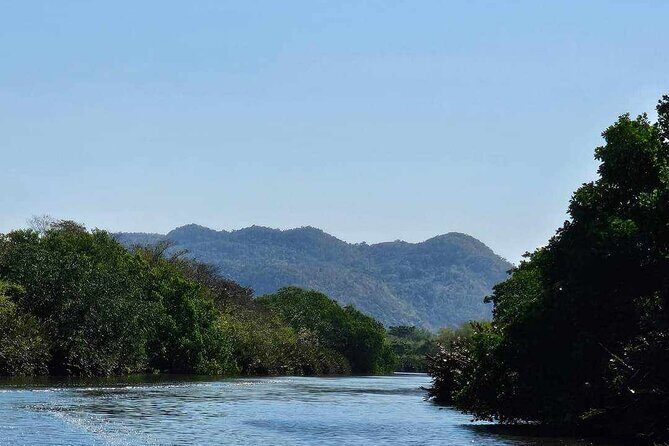
If you think of Jamaica as beaches and reggae playlists, this trip gently nudges you toward something different: a living wetland system. The Great Morass is the second-largest wetland in Jamaica, and the Negril River runs right through it. That means the boat isn’t just sightseeing along a riverbank—it’s moving through an ecosystem built for survival: mangroves, sheltered water, and habitats that attract birds and other wildlife.
The Royal Palm Reserve sits inside this wetland area. It’s a protected zone with wetlands and fauna, and that protection matters. When you float through a reserve like this, it tends to feel more controlled and respectful than random coastline cruising. I like that the trip frames the river as something alive and worth understanding, not just something to photograph from a fast-moving tour.
You’ll also notice the pace. This is described as a relaxing safari, and the vibe from what you’re told to expect matches that: it’s not about racing to the next stop. It’s about slowing down and letting the river reveal itself—birds perched low, water movement under the surface, and mangrove density that blocks the obvious view until you get close.
You can also read our reviews of more boat tours in Negril

Getting on the Water: Pickup, Timing, and What the 2 Hours Feel Like
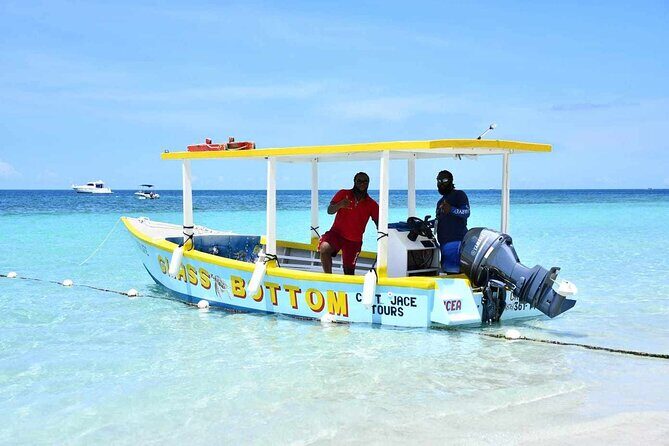
Plan around the schedule. Departures run in two daily windows from 7 Mile Beach in Negril: 8:00–8:30 AM and 3:00–3:30 PM. Duration is about 2 hours total, and it returns you to the same meeting point.
Pickup is offered, but only in a specific way: you can be picked up from anywhere on the beach in Negril. If you’re staying away from the shoreline, you’ll want to make sure you can reach the beach area for the start. For me, this is one of the biggest practical factors. You’re paying for the experience, and the tour keeps the logistics simple by focusing pickup where the boats will actually launch from.
The group size is capped at 25 travelers. That limit matters more than you might think on a short cruise. Fewer people makes it easier for the guide to point out details—like where birds are nesting or what you’re seeing in the mangrove shallows—without everyone craning their neck at the same time.
Also, bring the right mindset. This is a “cool, peaceful, take your time” kind of outing. One of the best ways to enjoy a short cruise like this is not to rush. If you arrive thinking you’ll collect ten things per minute, you’ll miss the small moments that make it worthwhile.
Entering the Royal Palm Reserve: Mangroves, Sheltered Water, and That Cautious Quiet
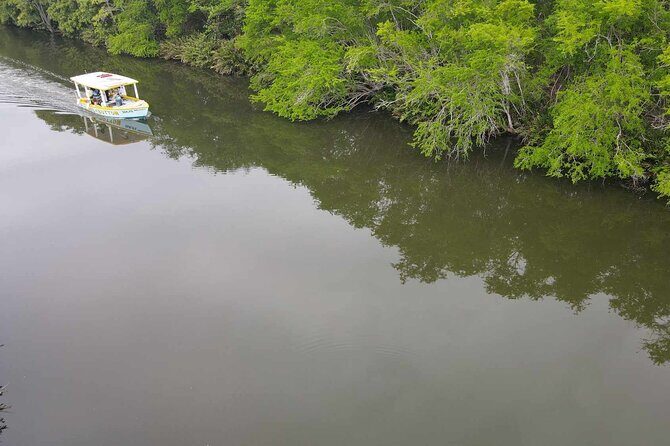
Once you’re on the river, the setting does the work. You’ll travel through mangrove-dense areas in the Royal Palm Reserve, part of the Great Morass system. Mangroves can look like a wall from a distance, but up close they’re full of structure: roots, shallow edges, and water channels that create quiet pockets.
This is why the safari is appealing even if you’ve seen wildlife before. A mangrove zone isn’t the same as open ocean or open beach. Birds use it for cover and nesting. Fish and other small marine life use the sheltered water. And larger wildlife tends to move carefully, because it knows where it can and can’t hide.
You’ll likely get glimpses of a “whole neighborhood” feel—birds settling, water rippling around roots, and the guide pointing out features that are easy to miss when you’re staring at the wrong place. The trip description focuses on the protected wetlands and fauna, and that’s exactly what you want to experience: a place where nature is allowed to function without constant human interference.
If you’re a wildlife person, this section is where you stop thinking of the tour as just a ride. The river starts to feel like a habitat you’re passing through. If you’re a history buff, this is where the guide can connect how the river mattered to the community—because when you’re surrounded by mangroves and wetlands, you naturally understand why people would rely on the river’s resources.
What You Can See From a Glass-Bottom Boat (and How to Improve Your Chances)
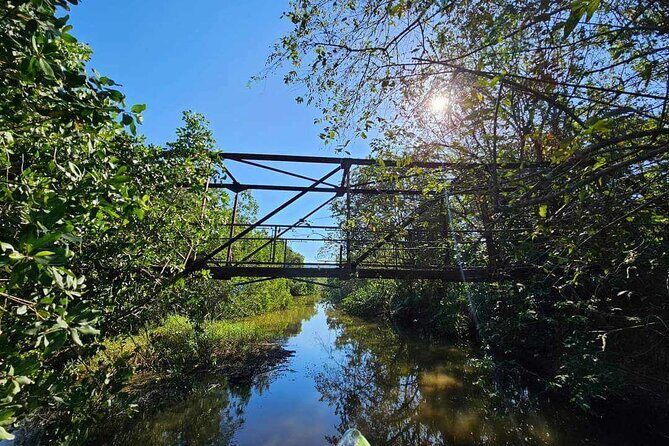
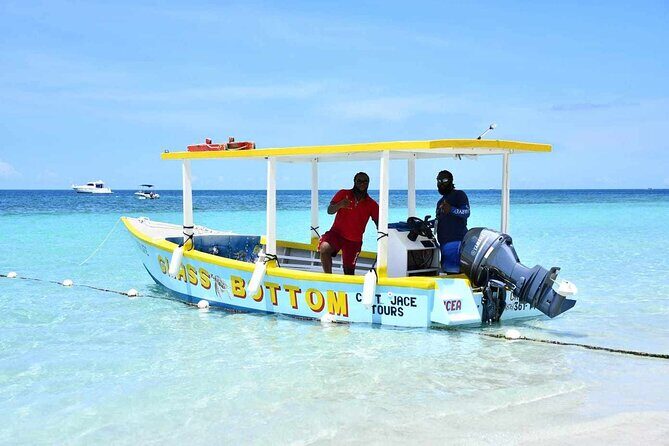
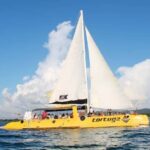
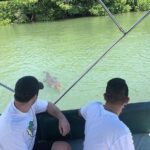
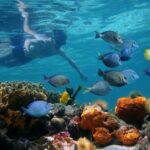
This tour is specifically built around seeing what’s under and near the water. The boat uses a glass bottom, and that changes your viewing game. Instead of only looking for birds above the surface, you can also watch what’s happening below—fish in shallows, and other marine life like starfish near beach areas before entering the river.
One practical tip: keep your eyes moving. It’s easy to fixate on one spot because the glass bottom invites close inspection. But the river shifts constantly. Watch the edges too—especially near roots and shallower water where life likes to hang out. If the guide points at a particular spot, follow their cue, then scan the surrounding area. That’s where you often catch a second sight.
As for wildlife, the trip sets clear expectations about the kinds of animals that can be found here, including birds, crocodiles, turtles, and manatees. I’d treat that as a “possibilities and habitats” list rather than a guaranteed sightings checklist. A wetland is living and changing, so what’s visible depends on conditions and animal movement.
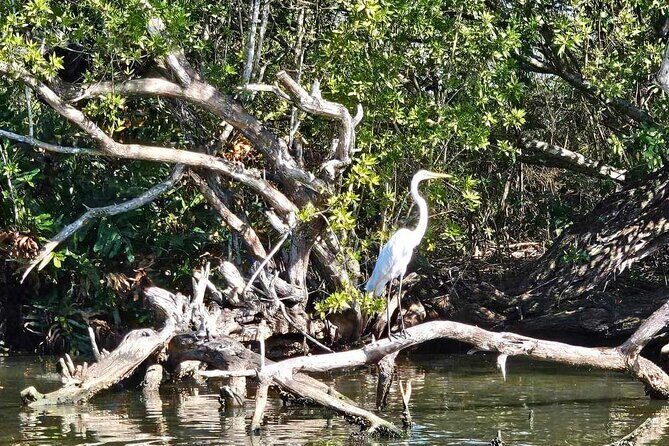
The bird experience can be especially rewarding. One detail that stands out is the chance to see egrets nesting, including chicks. That kind of sight is pure magic, but it also takes patience. When it happens, it usually isn’t a quick flash—it’s something you notice because the guide helps you look the right way at the right time.
The History Layer: How Guides Make the River Mean Something
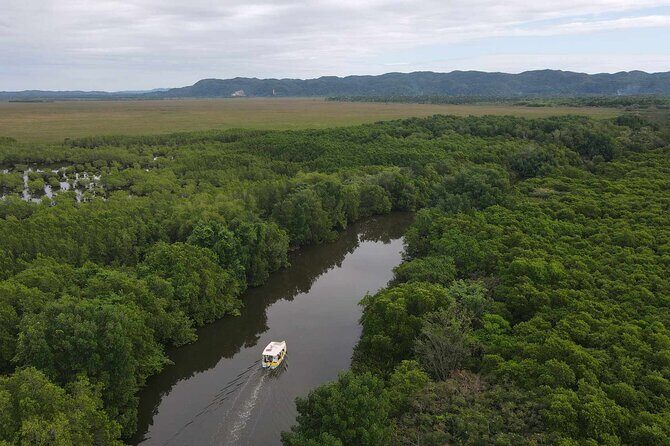
This is a scenic cruise, but it’s also a history experience. The guides share information about the history of Negril and the river’s importance to the area. That matters because wetlands aren’t just pretty. They’re functional. They influence how communities lived, where resources were found, and how people understood the land and water around them.
I like that the historical layer doesn’t feel like a lecture. It’s more like story-based context delivered while you’re actually floating through the place the stories describe. When a guide points out a feature in the wetland and ties it back to how the river shaped life in Negril, it clicks instantly.
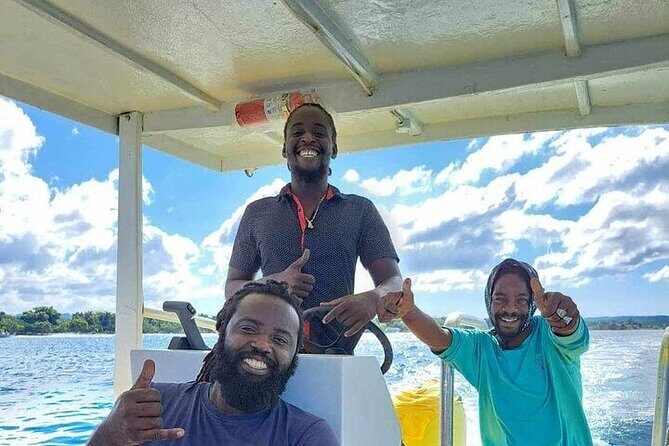
The experience has real personality, too. In particular, Captain Jace is named as part of the operation, and you may meet crew members like Skipper Tippy (names matter here because you’ll remember them after the trip). Other crew members are also mentioned, including Captain Owen and Captain Jace’s team. When guides put effort into both teaching and keeping things light, the cruise feels more human and less like a canned script.
Bottom line: you’ll leave with the feeling that you saw the river and understood why it matters.

Reef Snorkelling? Confirm Before You Go
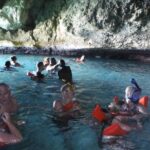
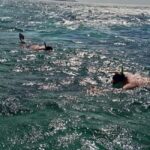
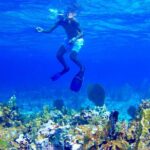
One review mentions that the experience included a reef snorkelling visit. The formal tour summary you’re working from doesn’t list snorkelling in the included items, so I can’t treat it as a sure thing for every departure.
If snorkelling is a priority for you, do the smart thing: confirm at booking whether your specific trip includes that added stop. That way you won’t show up expecting gear time that may not be scheduled.
Who This Boat Safari Is Best For (and Who Might Skip It)
This trip fits best if you want a calm, natural outing with a learning component.
You’ll probably love it if you:
- Like wildlife viewing without the stress of a long excursion
- Want a morning or late-afternoon activity that doesn’t eat your whole day
- Prefer guides who explain what you’re seeing, not just where to sit
- Enjoy protected areas like wetlands and mangroves
You might consider another option if you:
- Want a full-day tour with lots of moving parts
- Need guaranteed sightings of specific animals every time
- Are expecting something more intense or fast-paced
Also, it helps if you’re comfortable participating in a short boat ride. The experience notes that most travelers can participate, and service animals are allowed, which is useful information if you travel with a companion animal.
Price and Value: Is $65 Worth It?
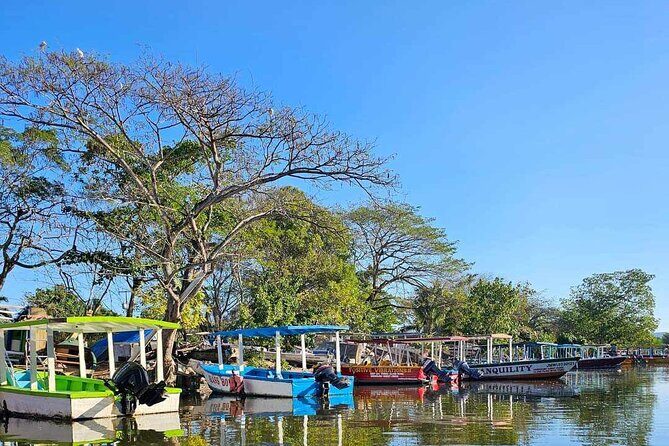
At $65 per person, this tour lands in the “reasonable value” zone if you care about two things: guided wildlife viewing and the wetland setting.
Here’s why it can be good value:
- You get pickup from anywhere on the beach in Negril, so you’re not spending your time figuring out transport
- The guide adds meaning, with history stories connected to what you see
- The short duration is practical. Two hours is often the sweet spot for people who don’t want to commit to a half-day or full day
- The group size cap (max 25) makes it feel less crowded and easier to enjoy
- The glass-bottom boat adds a unique viewing angle that plain river cruising often lacks
You’re paying for a focused experience, not for a huge multi-stop itinerary. If you’re looking for “I want to see animals and learn something, without a headache,” then the price-to-time ratio makes sense.
Practical Tips So You Get More From the River
A great wildlife safari is partly luck, partly timing, and mostly your attention.
- Go in with patience. Birds and animals don’t perform on a schedule just because you bought a ticket.
- Bring light sun protection. You’ll be on the water during morning or late afternoon windows, and the Jamaica sun is not shy.
- Dress for comfort and cooler breezes on the water. The cruise is described as peaceful and cool, so pack like you’ll be comfortable even if the breeze picks up.
- Use the guide’s cues. If the crew points out nesting areas or specific water channels, follow that guidance—your eyes will find more once you know what to look for.
- If you care about snorkelling, confirm it. One trip report suggests it can be included, but it’s not listed in the basic included items.
Should You Book This Negril River Safari?
I’d book it if you want an easy, calming way to experience Negril beyond the sand. The best part is the combo: protected wetlands plus wildlife viewing plus real context from local guides. Add the glass-bottom element and the short, manageable 2-hour format, and you’ve got a strong match for people who like nature and stories without long logistics.
Skip or rethink it if you’re chasing a big-ticket, all-day adventure or you need guaranteed sightings. This is a nature safari, and nature keeps its own schedule. If you can handle that, you’re in for one of the more satisfying river experiences in Negril.
FAQ
What is the duration of the Negril River boat safari?
The experience runs for about 2 hours.
How much does the tour cost?
It costs $65.00 per person.
What times does the boat safari run?
It runs daily in two windows from 7 Mile Beach: 8:00–8:30 AM and 3:00–3:30 PM.
Is pickup available, and where?
Pickup is available from anywhere on the beach in Negril. It does not include transportation from other locations.
What is included in the tour?
The tour includes beach pickup in Negril and knowledgeable tour guides.
What is the cancellation policy?
You can cancel for free up to 24 hours in advance for a full refund, and weather can affect the schedule with an option for a different date or a full refund if canceled due to poor weather.