REVIEW · MONTEGO BAY
Rastafari Indigenous Village Tour
Book on Viator →Operated by Jamaica Mesmerizing Tours Limited · Bookable on Viator
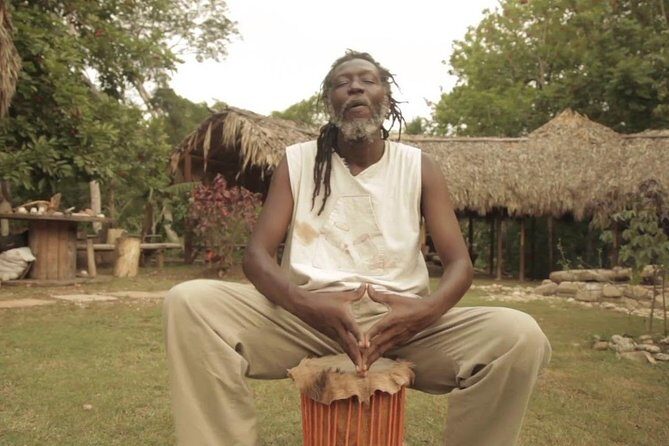
Rastafari drumming on Jamaican soil. This tour is interesting because it pairs a guided village visit with a real cultural performance of Congo drumming and chanting for about 30 minutes, plus time to meet the people and shop. I also like that it’s private for just you and your group, with air-conditioned pickup from your Montego Bay hotel or the cruise port. The main thing to plan around is the walk across a small steam, so bring water shoes that dry quickly.
What you get here feels more like a community stop than a quick photo stop. You’ll hear a lot of local context about Rastafarianism in Jamaica, sample fresh fruit and fruit juices, and then go through the village area where facial products and souvenirs are produced on-site. In at least one case, the ride included a friendly history chat from the driver, like Kevin, which is a nice warm-up before you reach the village.
Timing is usually a half-day block (about 2 to 4 hours), but you’ll want good weather. It’s also one of those experiences where small preparation makes a big difference, like having cash ready for shopping and a camera for the moments that make sense to capture.
In This Review
- Key highlights that matter before you go
- Getting from Montego Bay to the village: the practical flow
- Crossing the small steam: what to pack so you’re comfortable
- Inside the Rastafari Indigenous Village: what the guided time feels like
- Congo drumming and chanting: why this segment is the centerpiece
- Fresh fruit and fruit juices: the small inclusion that helps
- Facial products and souvenirs: shopping with purpose, not pressure
- Air-conditioned private transportation: comfort you’ll actually feel
- Price and value: is $310 per person fair?
- Who should book the Rastafari Indigenous Village tour?
- Should you book this tour? My call
- FAQ
- How long is the Rastafari Indigenous Village tour from Montego Bay?
- Where does pickup happen?
- Is the experience private?
- What’s included in the tour price?
- Will I hear drumming or chanting?
- Do I need water shoes?
- What should I bring for shopping?
- What is the cancellation policy?
Key highlights that matter before you go
- Private, door-to-door pickup from Montego Bay hotels and the cruise port in an air-conditioned vehicle
- Short wet crossing to reach the village (water shoes are the smart choice)
- About 30 minutes of Congo drumming and chanting as part of the guided experience
- Fresh fruit and fruit-juice samples included during the visit
- On-site facial products and souvenirs made right in the village area
- Good-weather dependent timing, with backup options if it gets canceled for weather
Getting from Montego Bay to the village: the practical flow
You start with pickup in Montego Bay, either from your hotel or from the cruise port, and you’ll travel in an air-conditioned vehicle. Because it’s private for your party, you’re not waiting around for strangers, which helps if you’re on a cruise schedule or you just want a calmer pace.
The total time runs about 2 to 4 hours. Most of that block centers on the village visit itself, with travel time before and after, so plan on a true excursion—not something you’ll tack onto a crowded itinerary last-minute.
One value point here is that the experience includes transportation as part of the deal, not as an add-on. At $310 per person, that matters, because you’re paying for the full package: pickup, private ride, admission ticket, and the guided village time.
If you like having a simple plan, this is that kind of tour. You get a driver, you go, you learn, you hear music, you shop, and then you’re returned to where you started in Montego Bay.
You can also read our reviews of more tours and experiences in Montego Bay.



Crossing the small steam: what to pack so you’re comfortable
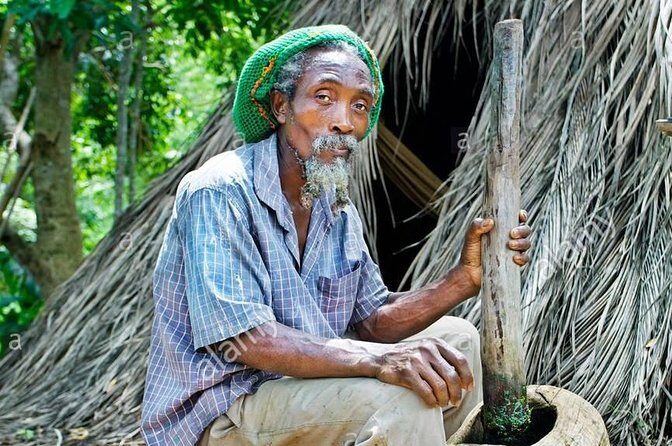
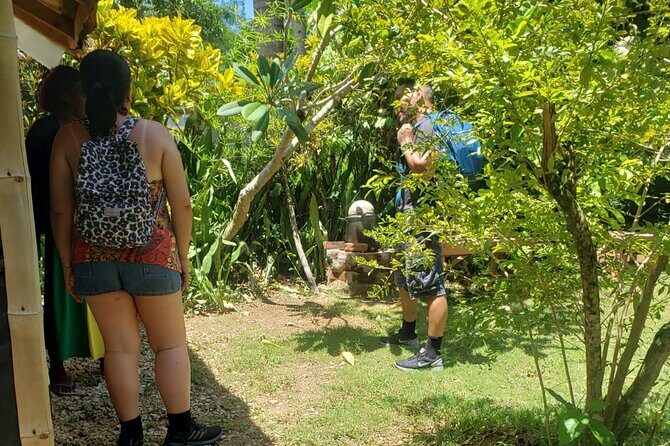
Before you even reach the heart of the visit, you’ll do something very specific: you walk across a small steam to get to the village. It’s not described as optional, so treat it like part of the experience, and dress for it.
Bring water shoes or sandals that can handle getting wet and dry quickly. If you try to do it in sneakers that take forever to dry, you’ll likely feel uncomfortable for the rest of your tour, especially since you’ll be walking around and spending time in the village area.
I’d also pack water basics the way you would for any outdoors stop: keep water on hand and pace yourself. The tour does offer fresh fruit and fruit-juice samples, but those won’t replace water if you’re doing the walk on a hot day.
A couple other practical reminders from the tour info: bring cash for shopping and a camera if you want to capture what you see. Having those ready right at the time you’ll shop saves you from scrambling while you’re in the village.
Inside the Rastafari Indigenous Village: what the guided time feels like
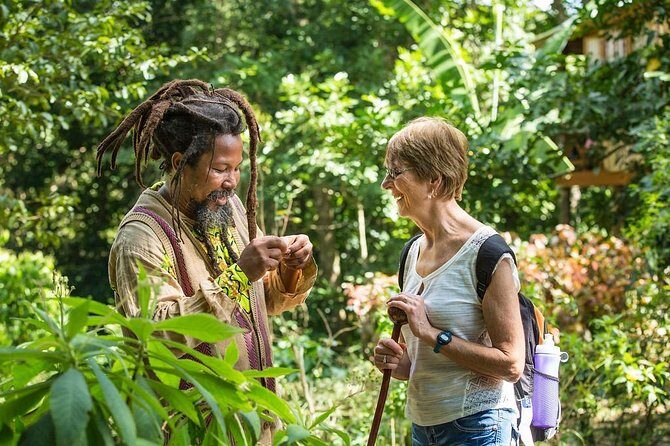
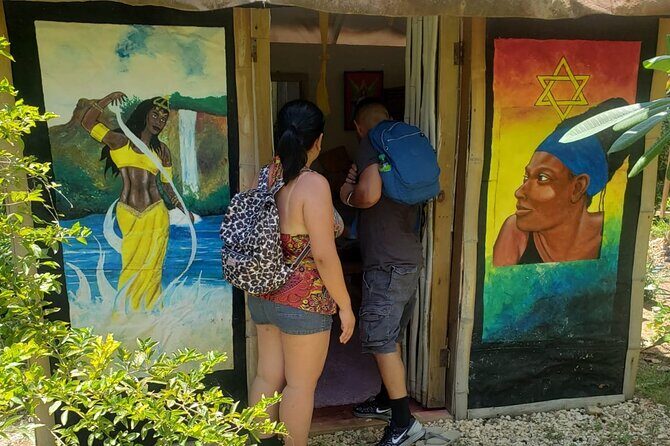
At the village, you meet friendly local guides right on arrival. The guides explain Rastafarianism in Jamaica, and the experience is described as information-heavy, so it’s not just a quick walkthrough.
The setting is the village itself, home of local Rastafarians. That matters, because you’re not only learning ideas—you’re seeing daily life context and how the community presents its beliefs to visitors.
Expect the guided portion to include a strong cultural component through music and chant. You’ll be treated to about 30 minutes of real authentic Congo drumming and chanting. Since it’s part of the flow of the tour, it doesn’t feel like a separate show you stumble into; it’s woven into what you’re learning.
One consideration: this tour is designed for cultural understanding, not for high-volume sightseeing. If you’re hoping for lots of different stops in rapid succession, this may feel more focused than you expect. The tradeoff is you get time with the topic instead of rushing through it.
Congo drumming and chanting: why this segment is the centerpiece
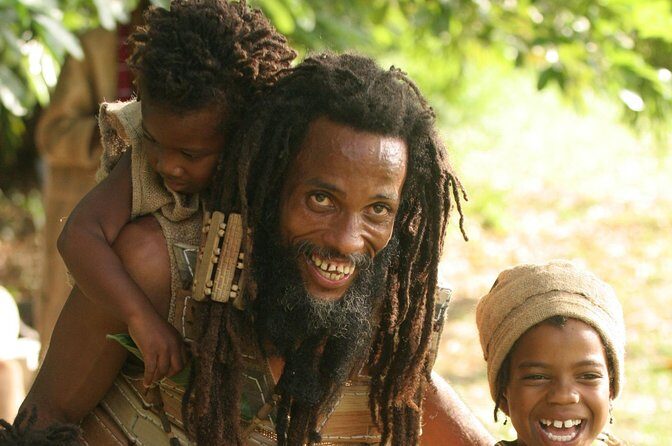
The most praised moment in the experience is the performance: around 30 minutes of Congo drumming and chanting. That specific detail matters, because it signals you’re not hearing a few quick beats and then moving on.
Music like this carries meaning, and the way the guides fold it into the tour helps you connect it to the broader topic. You’re not just watching and leaving; you’re hearing something that’s meant to be understood in context.
In a perfect world, you’ll go in ready to listen. Keep your phone/camera use sensible, follow the guide’s cues, and treat it as part of learning. If you expect a stage show, you might miss what makes it powerful: it’s presented by people with a lived connection to the culture.
Also, don’t underestimate how quickly 30 minutes can pass. If you’re the type who loves music, you’ll likely wish it were longer, but it’s still long enough to feel real and not like filler.
Fresh fruit and fruit juices: the small inclusion that helps
You’ll have fresh fruit samples and fresh fruit juices available during the visit. This is a small detail, but it makes the experience feel more human and welcoming, like the tour is building comfort into the learning.
It’s especially useful if you’ve got limited time in Jamaica and you’re moving between cruise port, hotel, and activities. Food and juice can take the edge off heat and walking, so you’re able to focus on the guided explanations instead of thinking about getting hungry.
If you’re the kind of traveler who loves simple touches, this is one of those. It also helps you avoid the common excursion problem where you spend hours out and then scramble to find snacks after.

Facial products and souvenirs: shopping with purpose, not pressure
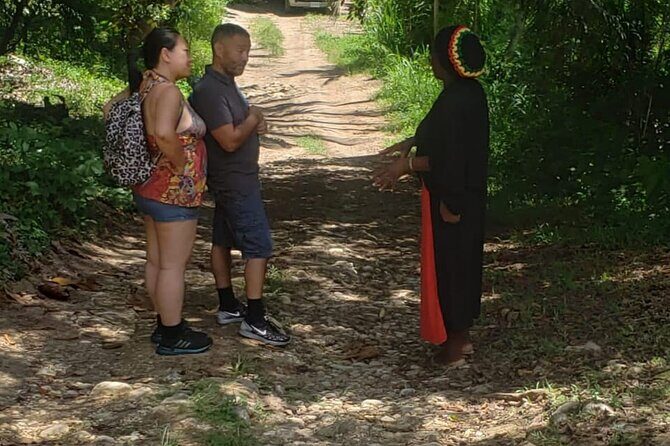
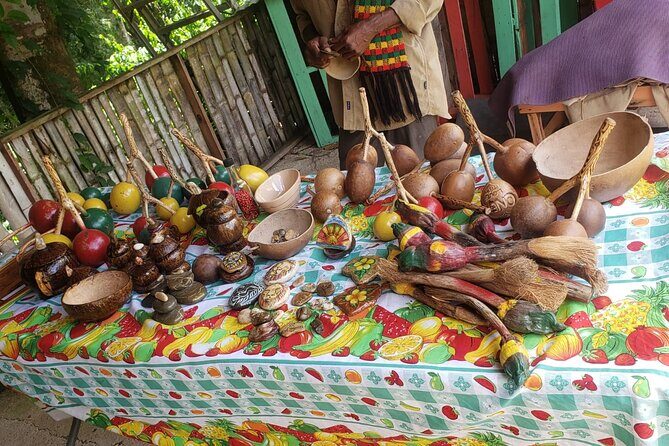
After the cultural segment, your guide will take you to see facial products and souvenirs produced right there in the village area. Then you’ll have time to browse and purchase, with an emphasis on appreciating the work.
This part is valuable because it connects your souvenir buying to what you saw and learned. You’re not just grabbing generic items from a stand; you’re looking at products made in the place you’re visiting.
Bring cash so you can pay without friction. Also, having your camera ready can help you remember what you liked before you decide. I like shopping better when I can compare later, and a quick photo makes that easier.
One more practical tip: plan to keep your purchases secure for the ride back. Even if the tour doesn’t say anything about bags, you’ll likely want something simple for your items so you’re not juggling them while stepping in and out of the vehicle.
Air-conditioned private transportation: comfort you’ll actually feel
The tour includes travel in an air-conditioned vehicle, and that can be a big deal in Jamaica heat, especially when you’re outside and doing that small steam crossing. Comfort isn’t just a luxury—it helps you stay focused on the experience instead of thinking about sweat and tired legs.
Private transportation also means your timing is smoother. You’re not waiting on others to come back from a restroom run or to finish a shopping stop. In a half-day tour, that matters.
If you’re traveling as a family or group that wants a calmer pace, private pickup is a plus. The tour information also notes group discounts for larger parties (it mentions calling or texting/WhatsApp for group rates), so if you’re booking with friends, you can sometimes improve value by coordinating.
Price and value: is $310 per person fair?
Let’s talk money honestly. At $310 per person, this is not a budget excursion. But it’s also not just a guided chat in a parking lot. You’re paying for a package that includes pickup from Montego Bay hotel or cruise port, private air-conditioned transportation, a guided village experience with admission ticket included, and cultural performance plus refreshments.
Where the price can feel more reasonable is when you consider what’s bundled in:
- Admission is included
- Transportation is included
- The tour is private for your group
- You get guided context, drumming/chanting, and fruit samples
- You also get a shopping stop tied to the community setting
If you’re traveling solo, the cost may feel steep because you’re effectively paying for private service all by yourself. If you’re splitting between two or more people, the private-ride value usually improves quickly.
If you’re budget conscious, one smart move is to check whether your party can qualify for group discounts. The tour info points you to group rate arrangements for parties of 6 more, which suggests there may be room to reduce the per-person impact when booking with friends.
Another value factor is timing. Because the tour fits into a 2 to 4 hour window, it can replace a longer or more complicated day that requires multiple tickets and separate transport costs.
Who should book the Rastafari Indigenous Village tour?
This works best for you if you want a culture-focused stop with real music and guided explanation. If you’re into learning how beliefs show up in community life, you’ll likely enjoy how the guides present Rastafarianism in Jamaica and connect it to what you’re seeing on-site.
I also think it’s a good choice for people who appreciate respectful, straightforward experiences. It’s not built around thrill rides or big spectacle. The centerpiece is the guided learning plus Congo drumming and chanting, and that’s a clear, well-defined reason to go.
You’ll want to bring water shoes if you have any sensitivity to wet walking. The steam crossing is the one physical part you can’t skip, so if foot comfort is a major concern for you, plan for it.
Because the tour is private and includes pickup, it suits couples and small groups. If you’re on a cruise and want an excursion that feels structured without being rushed, the pickup from the cruise port is an advantage.
Should you book this tour? My call
Book it if you want a focused cultural experience in Montego Bay that includes transportation, admission, and a real performance segment. I like that it’s private and that the drumming and chanting aren’t just an afterthought—they’re a clear highlight, followed by time to see on-site facial products and souvenirs.
Skip it or consider a different option if you don’t want any wet walking or you’re looking for a long list of different attractions. Also, the tour depends on good weather, so don’t plan it as your one and only activity on a day where weather flexibility is limited.
If you’re the type who enjoys learning through place-based experiences—music, story, and seeing what’s made where you’re standing—this is a strong choice for your Jamaica days.
FAQ
How long is the Rastafari Indigenous Village tour from Montego Bay?
It runs about 2 to 4 hours.
Where does pickup happen?
Pickup is offered from your Montego Bay hotel or from the cruise port.
Is the experience private?
Yes. It’s private for just your group.
What’s included in the tour price?
The tour includes air-conditioned vehicle transportation and private transportation, and an admission ticket is included for the village visit.
Will I hear drumming or chanting?
Yes. You’ll be treated to about 30 minutes of Congo drumming and chanting.
Do I need water shoes?
Yes. You have to walk across a small steam to reach the village, so water shoes or sandals that dry quickly are recommended.
What should I bring for shopping?
Bring cash. It’s also recommended to bring a camera.
What is the cancellation policy?
Free cancellation is available up to 24 hours before the experience starts for a full refund. The tour also requires good weather, and if it’s canceled due to poor weather, you’ll be offered a different date or a full refund.