REVIEW · OCHO RIOS
Jamaican Music History Tour of Kingston from Ocho Rios
Book on Viator →Operated by Jamaica Cultural Tours · Bookable on Viator
Kingston turns reggae into something you can see. This Ocho Rios day trip links the Bob Marley Museum, record-shop time on Orange Street (Beat Street), and a visit to Trench Town Culture Yard, then adds a street art stop so the story keeps moving after the museums.
I especially like the small-group feel and the way the day is paced for real questions. I also came away trusting the handling of the day because the tour team I heard about—Karen for planning and Courtney as a local guide—kept the focus on what matters, not just photo stops.
One possible drawback: lunch isn’t included, so you’ll need to budget extra for food (and anything you buy, like vinyl). Also, museum and community stops may run in different languages depending on your guide and the site.
In This Review
- Key things that make this tour worth your time
- From Ocho Rios to Kingston: what the 8-hour rhythm feels like
- Bob Marley Museum: more than a famous name on the sign
- Orange Street and Beat Street: vinyl, a community studio, and lunch budgeting
- Trench Town Culture Yard: why a community shaped reggae
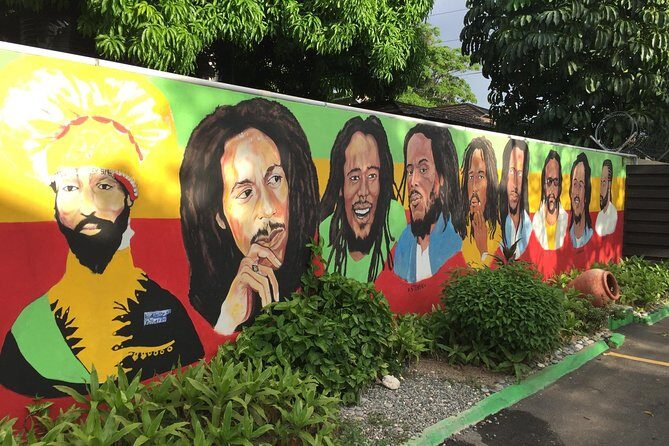
- Kingston street art project: turning walls into a second soundtrack
- The guide and the driver: why organization changes everything on a long day
- Price and value: is $205 fair for this day?
- Who should book this Kingston music history tour
- Practical tips to make your day smoother
- Should you book this tour?
Key things that make this tour worth your time
- Bob Marley Museum with house-room context, not just a quick stop
- Orange Street Beat Street time that includes a community studio visit and vinyl shopping
- Trench Town Culture Yard with a community-run perspective on reggae artists
- Courtney’s on-the-ground music talk, including history tied to place
- Hotel pickup and an air-conditioned minivan, keeping the long drive more comfortable
- Street art project stop that connects music culture to Kingston’s visual culture
From Ocho Rios to Kingston: what the 8-hour rhythm feels like
This is a full-day tour clocking in around 8 hours, with a morning start at 8:00 am. Plan for the drive first: leaving Ocho Rios for Kingston takes time, and you’ll want to be ready for a structured day rather than a flexible wander.
The good news is the tour is built around comfort and timing. You get hotel pickup and drop-off, plus transport in an air-conditioned minivan, which helps a lot when you’re spending a chunk of the day on the road. If you like having someone handle the route and timing, this fits your style.
A second plus is the on-board format: you’ll have live commentary while you travel. That matters because Kingston can feel like a blur if you’re just hopping between points. With commentary layered in, the day starts making sense before you even reach the first stop.
The downside of any single-day Kingston hit is you’ll never feel “slow.” This tour is designed to cover major beats—Marley, Beat Street, Trench Town—so you’ll likely want to keep your pace with the group and save deep, free-time exploring for another day.
You can also read our reviews of more historical tours in Ocho Rios

Bob Marley Museum: more than a famous name on the sign
Most Marley visits focus on the legend. This one focuses on the person and the place. At the Bob Marley Museum, you get about 2 hours and entry is included, which is key if you’re trying to avoid the timing headaches that happen on your own.
What I like about this stop is that you’re not stuck outside looking in. You’re able to go through multiple rooms of his house, which is where the story stops being abstract. Seeing the spaces and how the home was arranged helps you picture Marley’s life with more accuracy than a photo montage ever can.
This is also where the guide’s context really pays off. Courtney (and the wider team) are the kind of people who can explain not just what happened, but why it mattered to music and to Kingston. If you’re the type who asks questions like What was this neighborhood like then? or How did this influence the sound? you’ll likely find the museum portion satisfying.
One more practical note: museums can mean standing and walking in real time. Wear comfortable shoes and expect you’ll want to take your time reading what’s in front of you. Two hours is enough, but it’s not endless.
Orange Street and Beat Street: vinyl, a community studio, and lunch budgeting
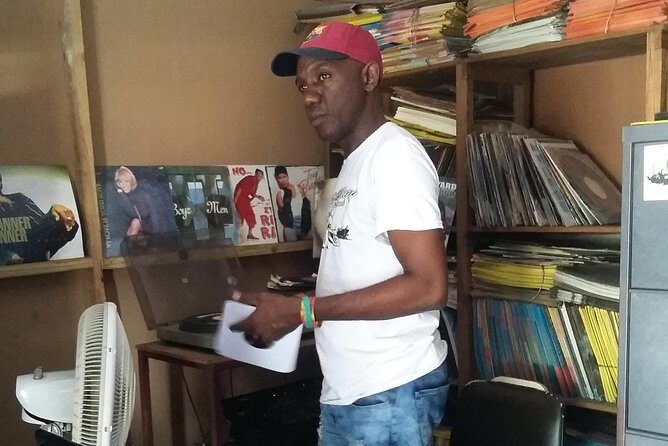
After the museum, your day shifts from Marley’s world into Kingston’s music ecosystem. This is where Orange Street—often tied to the nickname Beat Street—comes in.
You’ll head there for lunch, but here’s the part you should plan for: lunch isn’t included in the tour price. The tour gives you the lunch opportunity as part of the Kingston block, and you’ll stop at local places. So bring some spending money and keep your expectations realistic: you’re paying separately for the meal, not for the tour lunch.
What makes this stop more than just a street name photo is the built-in culture time. You pop into a small community studio, which is a different angle from museum walls. You’re not just hearing about the music; you’re seeing how local people connect it to everyday life.
Then there’s time to shop for vinyl at one of the oldest Jamaican record shops still standing. If you care about collecting, you’ll want to keep your budget flexible. Even if you don’t buy, browsing helps you understand what’s valued locally—what records people look for, what gets recommended, and how music is treated like more than background noise.
A quick consideration: vinyl shopping can eat time if you’re invested. If you want photos too, keep an eye on the group’s pace so you don’t lose the rest of the day.
Trench Town Culture Yard: why a community shaped reggae
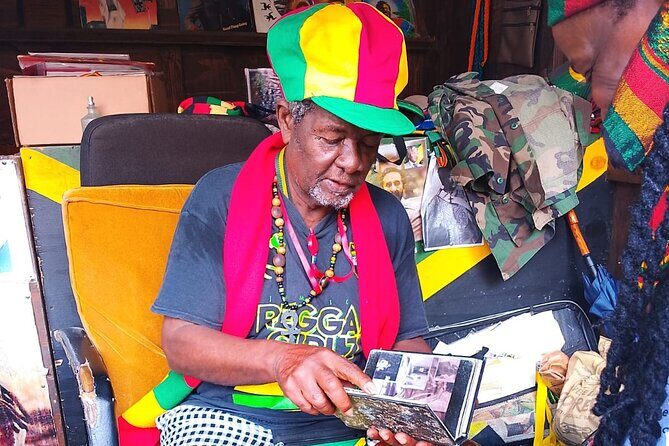
If Marley is the worldwide doorway, Trench Town is one of the original roots. Your stop at Trench Town Culture Yard is about 30 minutes, and entry to the community-run museum tour is included.
What makes this visit powerful is the framing: you learn why this area—despite being described as poor—helped produce artists with major impact. It’s not just a timeline. It’s a place-based explanation, and that’s what makes it feel different from a generic music stop.
You also get more than just signs and exhibits. The tour description includes time to relax in the area and meet members of the local music community, with the chance to listen to bands practicing. That element changes the feel of the visit. You’re not only learning; you’re seeing music culture in motion.
Because the stop is short, focus on what the guide is saying rather than trying to take in everything at once. Thirty minutes is enough to absorb the main story and ask a few good questions, especially in a small group.
Speaking of small: the tour maxes out at 10 travelers, which helps here. With fewer people, you’re more likely to get direct answers and less likely to be shuffled through as if you’re on a conveyor belt.
Kingston street art project: turning walls into a second soundtrack
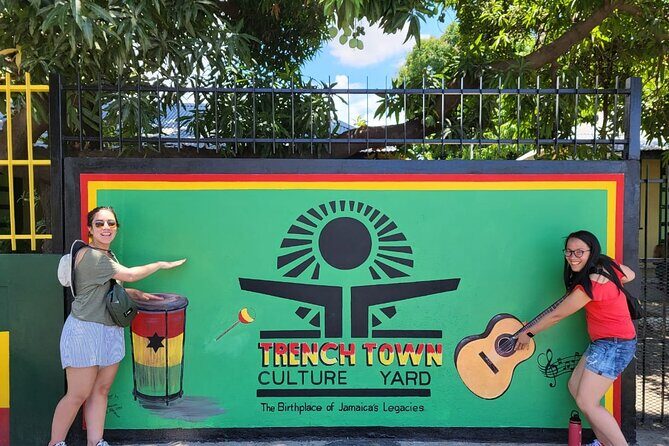
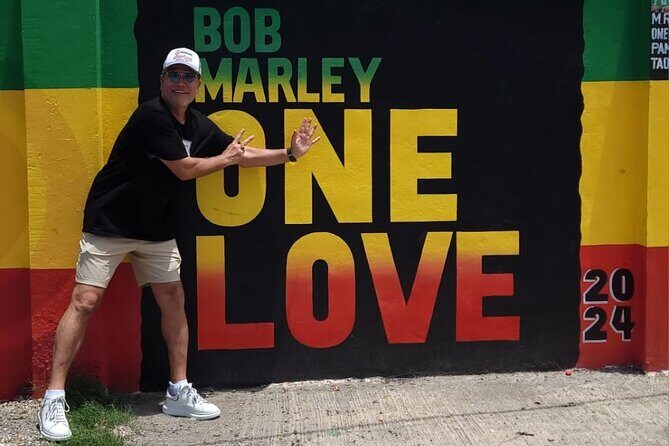
After the Culture Yard visit, the day continues with a local street art project stop. I like this addition because it connects music culture to Kingston’s visual storytelling.
Reggae is often discussed through sound, lyrics, and history. Street art adds another channel: people express identity, protest, humor, and memory through color and symbols. If you’re an art lover, this is a smart way to keep the day from feeling one-note.
It also gives your eyes a break after museum time. You’ll have more chances to slow down and look closely, even if the group is moving on schedule.
Keep your phone charged and bring a light layer if the sun starts to flatten your energy. Street art time is the kind of stop where you’ll want clear light for photos, but you don’t want to cook in the heat.



The guide and the driver: why organization changes everything on a long day
This is one of those tours where the human side matters. You’re in Kingston for major stops, but the success of the day depends on pacing, timing, and how the story is told.
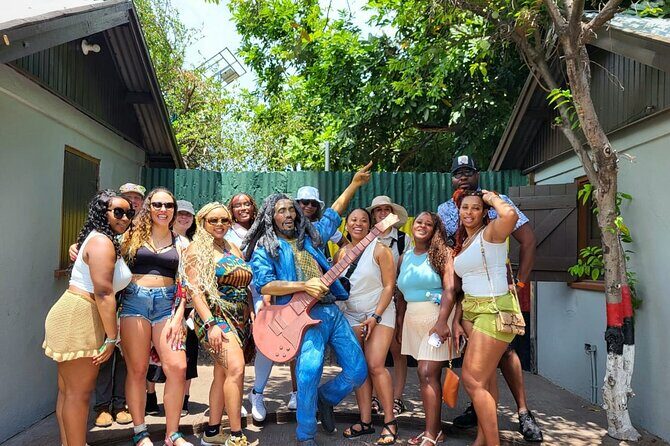
I heard strong praise tied to Courtney as the guide, including the idea that his explanations go deeper than what you get from simple Marley-only outings. That’s not just fan service. When someone ties music to neighborhoods and everyday life, the day becomes easier to connect afterward.
There’s also mention of Wayne as the driver and Karen as a professional point person behind the scenes. When a trip runs smoothly from pickup to drop-off, you spend less energy worrying and more energy watching and listening. On a day trip with a long drive, that’s a real value.
The group size—up to 10 people—helps the guide keep control without feeling rushed. It’s a sweet spot for Q&A without turning into chaos.
Price and value: is $205 fair for this day?
At $205 per person, this tour is not a bargain. But it also isn’t just a bus ride to a couple of photos.
Here’s what you’re paying for, and why it matters:
- Hotel pickup and drop-off: eliminates the hassle of getting yourself to a meeting point and back.
- Air-conditioned minivan: helpful on an 8-hour day with driving time.
- Professional guide + live commentary: you’re buying context, not just transportation.
- Entry fees included for the Bob Marley Museum and the Trench Town Culture Yard tour.
The one thing that’s not included is lunch. So if you’re budgeting, treat the tour price as covering the cultural structure, then add your meal and personal spending.
If you love reggae but also care about art, community, and places—not just a celebrity checklist—this price can feel fair. If you only want a short museum taste and you’re comfortable arranging your own day, you could find cheaper ways. But you’d lose the guiding thread that connects stops into one story.
For many people, paying for the driver, timing, and entry fees ends up being worth it. Especially when you’re trying to fit Kingston into a tight schedule from Ocho Rios.
Who should book this Kingston music history tour
This tour fits you if you’re one of these types:
- A Bob Marley fan who wants more than “famous name” sightseeing
- An art lover interested in how music culture shows up in record stores and street art
- Someone who likes to learn from a local guide who connects reggae to specific neighborhoods
- A small-group traveler who appreciates up-front structure on a day trip
It may be less ideal if you hate schedules or you want maximum free time. The tour is designed as a guided day with set stops, including a tight window at Culture Yard and shopping time on Orange Street.
There’s also a family consideration: children must be accompanied by an adult, and the tour says most people can participate. If you’re planning with kids, think about the amount of walking inside museums and the length of the full day.
Practical tips to make your day smoother
A day like this runs best when you show up ready for both heat and walking.
- Bring cash or a card for lunch and for vinyl shopping. Lunch isn’t included, and record shops can be dangerously fun.
- Wear comfortable shoes for museum walking.
- Expect good weather needs for the experience. If conditions aren’t right, the tour may be adjusted.
- Keep your camera handy but don’t forget your brain. The best payoff here comes when you listen to the guide’s connections between stops.
Also, since this is a small group (max 10), be ready to move with the group. If you split attention too long, you might feel rushed at the next stop.
Should you book this tour?
I’d book it if you want a single-day plan that actually connects Kingston’s reggae story to places: Marley’s house rooms, Orange Street’s music and vinyl culture, and Trench Town’s community impact, finished with street art.
I’d think twice if you’re chasing only Marley items and nothing else, or if paying extra for lunch and personal shopping doesn’t fit your budget. And if you’re picky about language, it’s smart to confirm how the guide will handle museum and community explanations before you go.
If you want an organized, story-led Kingston day that goes beyond the basics, this one is a strong pick.