REVIEW · MONTEGO BAY
Appleton Estate Rum Tour: Full Day from Montego Bay
Book on GetYourGuide →Operated by Paradise Palms Jamaica Transportation · Bookable on GetYourGuide
Rum and sugar cane on Jamaica’s south coast. This full-day trip pairs a smooth transfer from Montego Bay with a real look at Appleton Estate production, from sugarcane to the pot stills and barrel houses. You also get a guided tasting experience with a chance to buy rum at the estate and take home a complimentary bottle.
I love how the tour setting is tied to Jamaica’s sugar belt, with details like cane harvested by machine and the older machete method. I also love the tasting structure: you’re shown how rum is made, then you sample the results from Appleton’s range of aged options as well as the golds and whites. One thing to plan for: this booking mainly covers transportation, and the distillery entry fee plus lunch are not included.
In This Review
- Key highlights to know before you go
- A long south-coast ride that’s part of the experience
- Appleton Estate: stepping into an operation shaped by sugarcane
- Pot stills and distillation: the part you’ll remember at your glass
- Barrel houses and aging: where the rum picks up its personality
- Rum tasting and the complimentary bottle: how to make the most of it
- Price and logistics: what the $262 really buys you
- Timing and meal planning for a full-day rum outing
- Who this tour suits best in Montego Bay
- Should you book the Appleton Estate Rum Tour from Montego Bay?
- FAQ
- What’s included in the $262 booking?
- How much is the distillery entry fee?
- How long is the Appleton Estate rum excursion?
- Will I have a live tour guide?
- Is lunch included?
- Do I need to bring anything?
Key highlights to know before you go
- South-coast scenery with pickup and return from many Montego Bay-area hotels and resorts
- Appleton’s sugar belt roots and the mix of cane-harvesting methods (machine and machete)
- 200-year-old pot stills and the company’s distillation approach
- Barrel houses where aging happens and you see the process in context
- English live guidance plus a safety briefing at the estate
- Complimentary bottle of rum after your tasting experience
A long south-coast ride that’s part of the experience
The first win here is how easy the day feels: you’re picked up from your hotel or cruise port in Montego Bay and returned there at the end. Your driver meets you at the lobby with a sign reading Paradise Palms Jamaica, and for hotel pickups you’ll be asked for your room number. For cruise arrivals, the driver waits just across the road from the ship with that same sign.
Once you’re on the road, you’re not just staring at the highway. The trip includes scenic views on the way, and the driving time is about 1 hour each direction. That matters because Appleton Estate sits outside Montego Bay, on Jamaica’s south coast. You’re trading beach time for a real, grown-up outing, the kind where the journey sets the stage for what you’re going to learn.
Also, the driver quality can really affect the day. People have praised drivers such as Junior and Claude for being friendly, punctual, and safe, with extra local context about what you see along the way. Even if you’re the kind of person who likes quiet travel, that sort of calm, careful driving helps you arrive relaxed enough to enjoy the tasting.
Bottom line: this isn’t a quick in-and-out stop. It’s a “plan to spend the day” excursion, and the drive is part of why.
A few more Montego Bay tours and experiences worth a look



Appleton Estate: stepping into an operation shaped by sugarcane
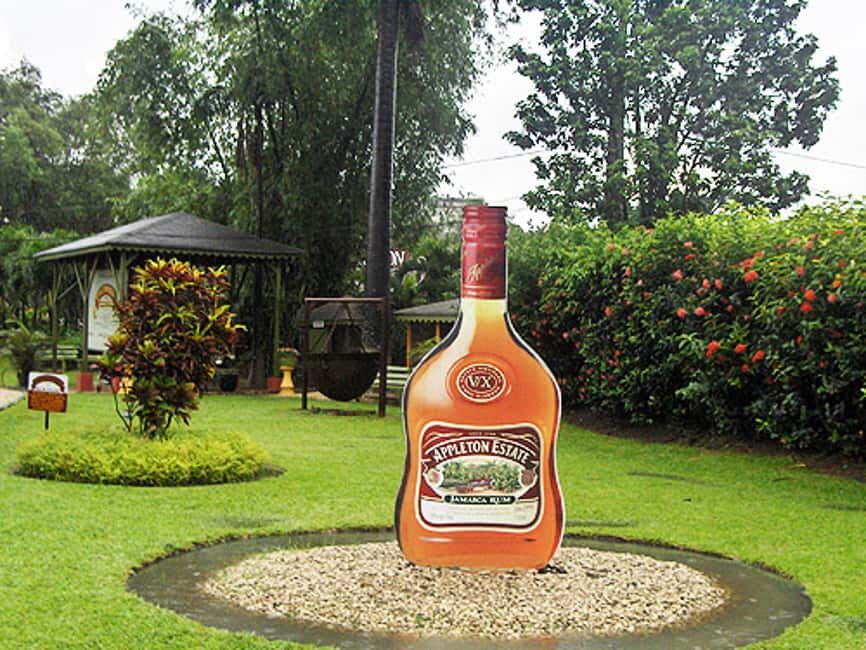
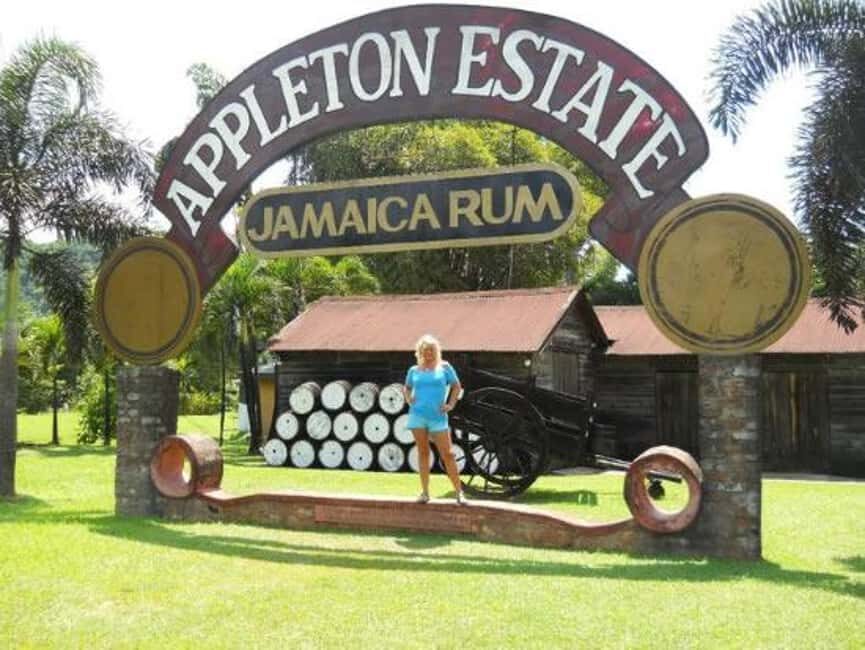
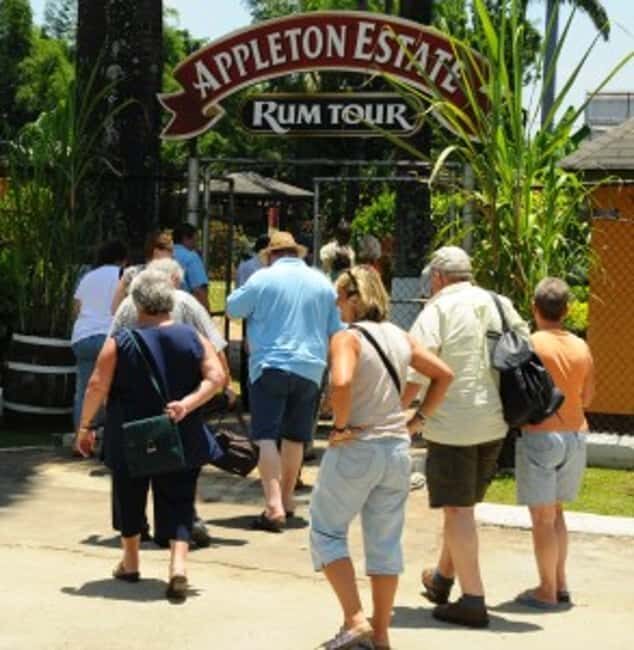
Appleton has been hand-crafting rum since 1749, and the estate experience is built around that long continuity. When you arrive, you’re not just touring a modern visitor center. You’re learning about a place that sits in the heart of Jamaica’s sugar cane belt, and you hear how Appleton became the oldest sugar estate and distillery in Jamaica.
You’ll get a guided look at how sugarcane turns into the raw materials for rum. Expect to hear about the earliest methods of extracting juice from cane. The tour also points out something that’s easy to miss when you only picture sugar as a finished product: cane harvesting can be done with machines today, but the older method still exists too, including men wielding machetes. That mix of old and new is part of what makes the tour feel grounded instead of purely performative.
This is also where the tour becomes cultural, not just technical. Appleton is part of a wider Jamaican rum industry story, and the estate tour connects it to the parent company’s other well-known brand, Wray & Nephew White Overproof Rum. That connection helps you understand Appleton isn’t isolated; it’s connected to how Jamaica’s rum reputation spread.
One practical note: there’s a live English tour guide and a safety briefing. It’s worth paying attention during the briefing even if you’re a seasoned visitor—rum tours can involve areas where you’ll be standing, looking, and sampling.
Pot stills and distillation: the part you’ll remember at your glass
A big reason Appleton tastes different is how it gets from fermented sugarcane products to the final spirit. On this tour, you’ll see and learn about the unique distillation process in Appleton’s 200-year-old pot stills.
Pot stills matter because they shape flavor and character. You don’t need to be a chemistry person to get what’s happening here: the tour is meant to connect equipment to taste. The guide shows you what’s going on in the distillation step, and you leave with a clearer idea of why the final rum doesn’t taste like generic “sweet alcohol.”
If you’re the type who likes a simple framework, you can think of it like this: fermentation builds the base, distillation concentrates and carries flavors, and aging turns those flavors into something smoother and more layered. This tour gives you the “why” behind those stages instead of leaving you with only tasting notes.
Also, you get a guided tour route that flows from production to the place where aging happens. That pacing helps. You’re not wandering around trying to connect the dots. You’re learning in order, then tasting in order.
Barrel houses and aging: where the rum picks up its personality
The highlight for many people is the barrel house. You’ll visit aging rooms where the rums age to perfection. This is where you can slow down and start tasting more intentionally.
A barrel house visit gives you a visual reminder that rum character doesn’t happen all at once. Aging is time plus chemistry, and the tour helps you connect the “time factor” to the “taste result.” Even without a deep lecture, you’ll understand the point: aged rums aren’t just stronger versions of something you already tasted. They develop different aroma and texture as they sit.
Appleton produces a wide variety of aged rums, plus standard golds and whites. Seeing the barrel house right before tasting helps your brain categorize what you’re smelling. White and gold styles can feel crisp, while aged bottlings can come across warmer, rounder, and more complex. That’s not a rigid rule, but it’s a useful way to listen with your nose instead of guessing randomly.
Practical advice: take the tasting portion slowly. The tour is designed so you learn first, then sample. If you rush, the flavors blur. If you pace yourself, you’ll actually notice differences between styles.
Rum tasting and the complimentary bottle: how to make the most of it
This experience includes rum tasting at the estate. Appleton’s tasting lineup typically includes multiple varieties, and you’ll sample world-class rum styles tied to what you just learned.
After the tasting, you’re also set up for shopping at the estate. You’ll want to treat shopping here like a mini buying decision, not a last-minute impulse. If you’re tasting a lot of similar styles, start by deciding what you like most: do you prefer something lighter (whites and golds) or something more rounded and aged? Then narrow down to one or two bottles so you don’t end up with a bag of rum you can’t remember liking.
The best part for many people is the promise of a complimentary bottle of rum. That’s listed as a tour highlight, so you should plan around leaving with an extra bottle in hand. In general, it’s smart to keep your travel storage in mind. If you’re flying home, think about where you’ll pack it so you don’t end up scrambling at the last minute.
And since lunch and refreshments are not included, keep your energy steady during the day. If you’re driving both ways, you’ll be glad you ate before you go or planned a meal on your return.






Price and logistics: what the $262 really buys you
Let’s talk value in plain numbers.
Your booking price is $262 per group up to 2. That’s not $262 per person, which matters if you’re traveling as a couple or two friends. But here’s the key catch: the included portion is round-trip transportation, not the distillery admission or tasting fees themselves.
Distillery entry fees are payable by guests:
- $39 for adults
- $15 for children under 17
So what’s the real cost picture? If you’re two adults, a simple estimate is:
- $262 for the transportation booking
- plus $39 x 2 for entry fees
That puts you at about $340 total before any additional spending on drinks or shopping.
If that’s more than you expected, it’s still often fair value because you’re paying for door-to-door pickup and return across a large Montego Bay area, plus the private-group transfer. If you’d otherwise need taxis or struggle to coordinate a group day, the transport piece can save money and stress.
Where it can be less attractive: if you’re traveling solo and you don’t value a private pickup, the transport-only model may feel like you’re paying a lot for the drive. In that case, compare the entry fee-only cost you’d pay for touring without dedicated transport. But for two people, the math tends to be friendlier.
Also note: entry fee and activity costs are not included, and lunch and refreshments are not included. That means your budget should cover food and anything you want to buy at the estate.
Timing and meal planning for a full-day rum outing
This is labeled as 1 day, and the tour time is described as lasting approximately 7 hours. The on-site portion may feel shorter in scheduling terms (you’ll see the estate portion listed as around 2 hours), but either way, plan for a long day rather than a quick afternoon stop.
Because lunch isn’t included, I recommend treating this like a day trip with real meal planning:
- Eat something before pickup if you can
- Have a plan for food after the tasting portion
- If you’re the kind of person who forgets to drink water during the heat, do not ignore it on a rum day
You’ll also want a camera. Bring one. The estate setting and the production areas are made for photos, and the scenic drive gives you more chances for pictures too.
Finally, pace the tasting. Rum tours are fun when you stay present. If you rush through samples, you’ll miss what the guide is connecting for you between distillation, barrel aging, and flavor.
Who this tour suits best in Montego Bay
This Appleton Rum day trip is a strong fit if you want:
- A private-group style day with reliable pickup and return
- A guided distillery experience in English
- A focus on rum production, especially the steps from cane to pot stills to barrel aging
- The chance to take home a complimentary bottle
It’s also a great choice for first-timers. Even if you’re not a rum super-fan, you’ll leave with a clearer idea of what makes Appleton recognizable: Jamaica’s sugar cane belt setting, a production process tied to long-running methods, and tasting that follows the learning.
If you want a day that’s mostly relaxation, this may feel like too much “activity.” But if you like tours where the product has an actual process behind it, this fits.
And if you’re sensitive to alcohol or don’t drink much, you can still enjoy the tour parts that show production and aging. Just be realistic about the tasting component that comes with the experience.
Should you book the Appleton Estate Rum Tour from Montego Bay?
I’d book it if you’re traveling with one other person and you want a smooth, organized day that goes beyond souvenir shopping. The transportation-included model reduces hassle, and the estate portion delivers what matters: pot still distillation details, barrel-house aging, and a guided tasting experience tied to how Appleton makes rum.
I wouldn’t book it if you’re looking for a budget-only option or if you strongly prefer food included. Because lunch and refreshments aren’t part of the booking, you’ll need to budget extra, and the distillery entry fees are added on arrival.
Overall, this is a classic Jamaica day trip that mixes hands-on learning with the reward of tasting and bringing home a bottle. For many couples and small groups, it lands in that sweet spot of “worth paying for” because the drive, pickup, and guided production stops are all doing real work for your day.
FAQ
What’s included in the $262 booking?
The booking includes round-trip transportation from your hotel/resort or cruise port in Montego Bay. The distillery entry fee and the costs for activities are not included in this booking.
How much is the distillery entry fee?
Entry fees are payable by guests: $39 for adults and $15 for children under 17.
How long is the Appleton Estate rum excursion?
It’s listed as a 1-day trip, and the Appleton Estate tour lasts approximately 7 hours. You’ll also spend time at the Appleton Estate during the day.
Will I have a live tour guide?
Yes. The tour includes a live tour guide in English.
Is lunch included?
No. Lunch and refreshments are not included.
Do I need to bring anything?
Bring your camera, since the estate and scenic drive offer photo opportunities.